Copper Mining in Zambia: The Environmental Impact and Sustainable Practices
Zambia, a country rich in natural resources, is home to some of the largest copper deposits in the world. Copper mining is a significant part of Zambia's economy, providing jobs and contributing to national GDP. However, the environmental impact of these mining activities is a growing concern.

The Environmental Impact of Copper Mining
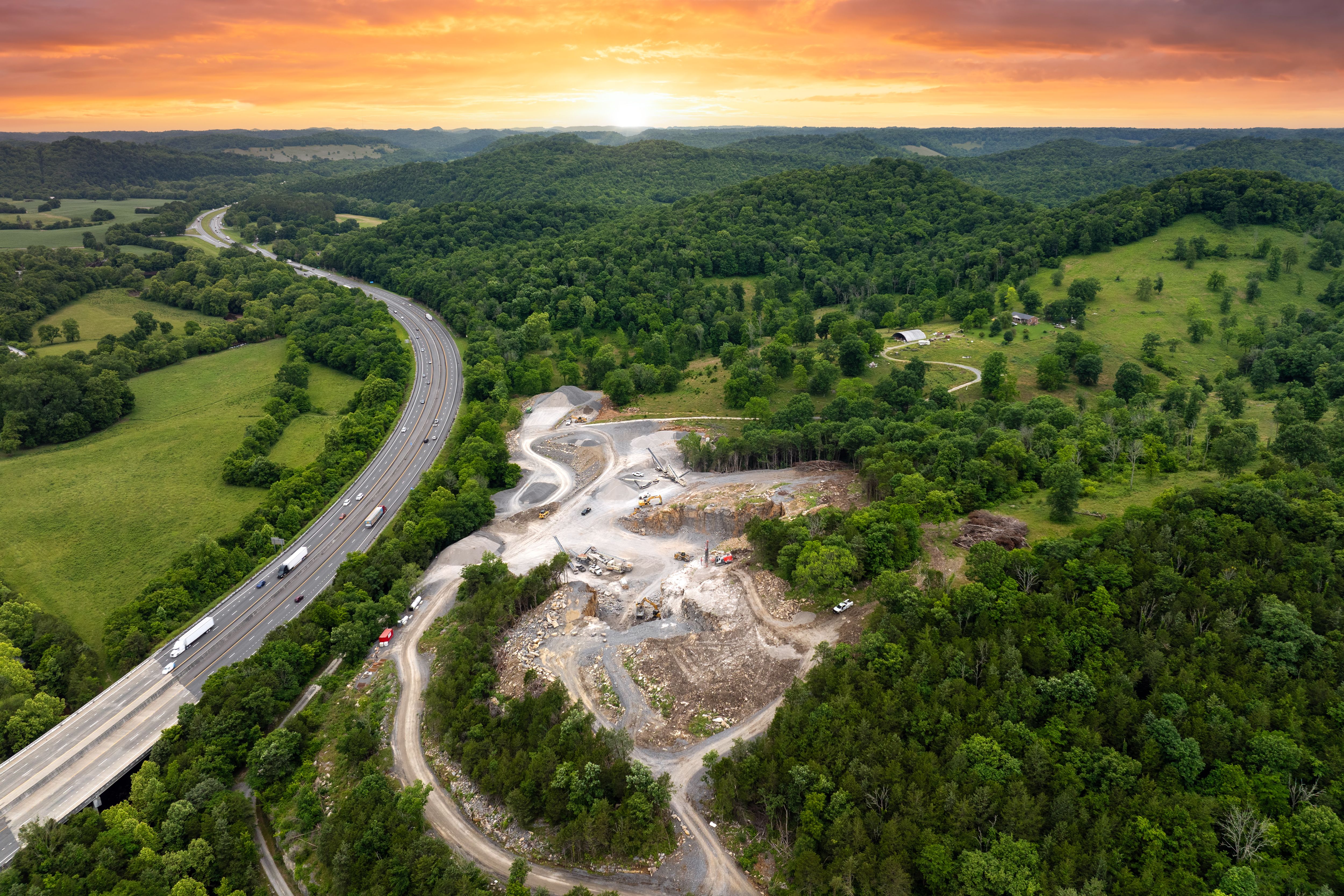
Copper mining can have severe environmental consequences if not managed responsibly. One of the primary concerns is the disruption of ecosystems. Mining activities often involve clearing large areas of land, which leads to the loss of biodiversity. Additionally, the use of heavy machinery and explosives can cause soil erosion and destabilize the landscape.
Another major issue is water pollution. Mining operations often require substantial amounts of water, and the runoff can contaminate local water sources with heavy metals and toxic chemicals. This not only affects aquatic life but also poses health risks to nearby communities that rely on these water sources for drinking and agriculture.
Air Pollution and Greenhouse Gas Emissions
Air pollution is another significant challenge associated with copper mining. The extraction and processing of copper release harmful gases and particulate matter into the atmosphere. These emissions contribute to air quality deterioration and can have adverse health effects on local populations.

Moreover, the energy-intensive nature of mining operations contributes to greenhouse gas emissions, exacerbating the global issue of climate change. Many mining companies are now exploring ways to reduce their carbon footprint and invest in cleaner technologies.
Sustainable Mining Practices
In response to these environmental challenges, there is a growing emphasis on sustainable mining practices. Companies are increasingly adopting methods that minimize ecological disruption and promote resource efficiency.
One approach is the implementation of advanced water management techniques. By recycling and reusing water within the mining process, companies can significantly reduce their water usage and prevent contamination of local water bodies.
Rehabilitation and Reforestation
Rehabilitation of mined land is crucial for restoring ecological balance. Many companies are now investing in reforestation projects and soil rehabilitation to promote biodiversity and improve soil quality. These efforts help create a sustainable environment for wildlife and communities.
Furthermore, the use of renewable energy sources, such as solar and wind power, in mining operations can reduce reliance on fossil fuels and decrease carbon emissions. This transition to cleaner energy not only benefits the environment but can also result in cost savings for mining companies in the long term.
The Role of Policy and Regulation
Effective policy and regulation are essential in ensuring that mining activities are conducted sustainably. Governments play a critical role in setting standards and enforcing compliance to protect the environment and public health.
Encouraging investment in sustainable technologies and providing incentives for companies that adhere to environmental guidelines can drive positive change in the industry. Collaboration between governments, mining companies, and local communities is vital to achieving sustainable development goals.

In conclusion, while copper mining in Zambia remains a key driver of economic growth, it is imperative to address its environmental impact. By adopting sustainable practices and enforcing strict regulations, it is possible to balance economic benefits with ecological preservation, ensuring a healthier future for all.