
Expert Tips for Conducting Successful Geological Surveys
Understanding the Basics of Geological Surveys
Geological surveys are crucial for exploring and understanding the Earth's subsurface. They provide essential information for industries like mining, oil and gas, and environmental science. A successful geological survey requires a comprehensive understanding of the methods, tools, and technologies used in the field.
Preparation and Planning
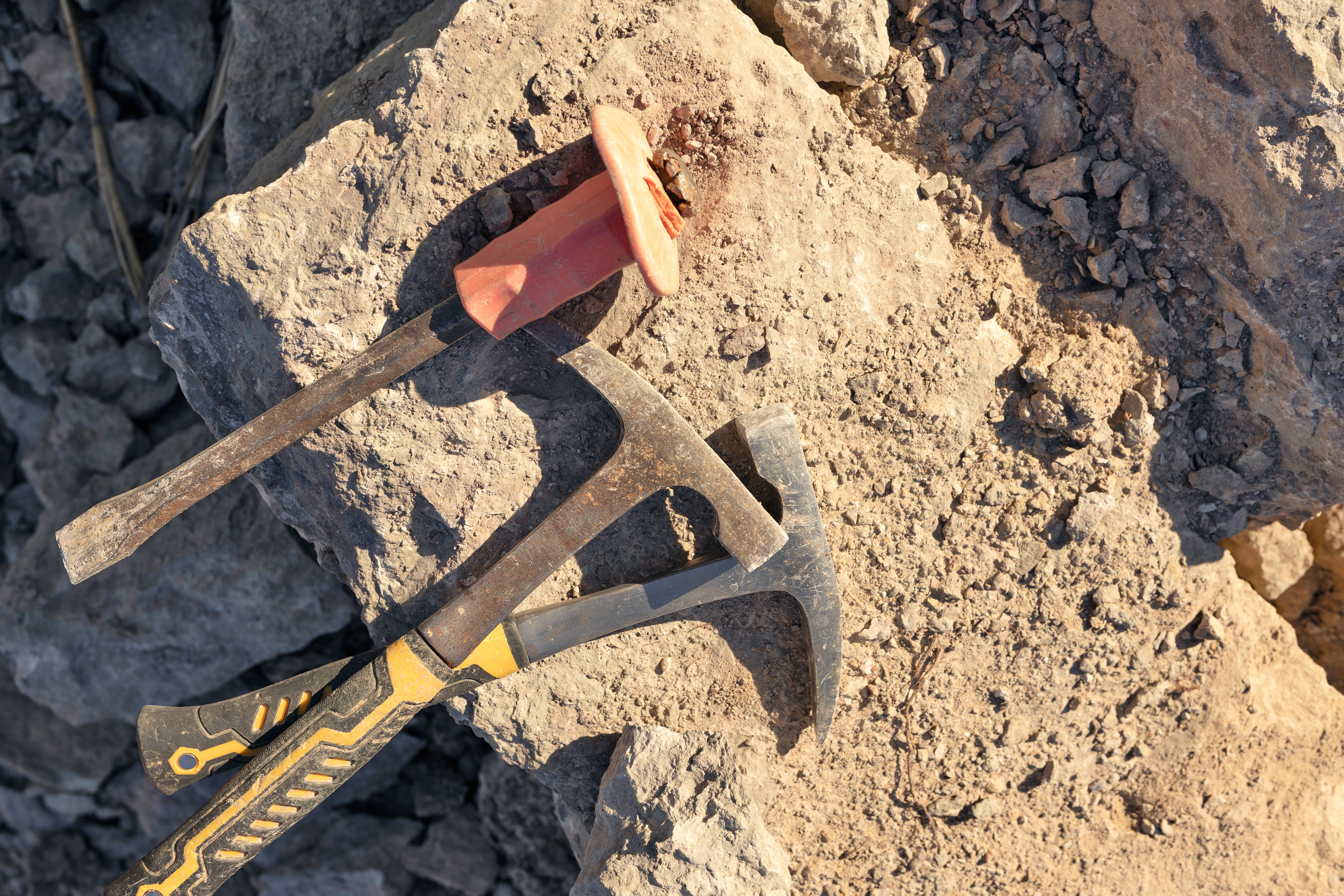
Before embarking on a geological survey, thorough preparation and planning are essential. This involves defining the objectives, understanding the geographical area, and gathering relevant historical data. It's important to identify potential challenges and plan for contingencies.
Utilizing topographic and geological maps can aid in understanding the terrain and identifying key areas of interest. Involving an experienced team can significantly enhance the quality and accuracy of the survey.
Utilizing Advanced Technology
Modern technology has revolutionized geological surveys. Tools such as Geographic Information Systems (GIS), remote sensing, and geophysical methods like seismic surveys and magnetometry have become standard practice. These technologies enhance data accuracy and provide comprehensive insights.
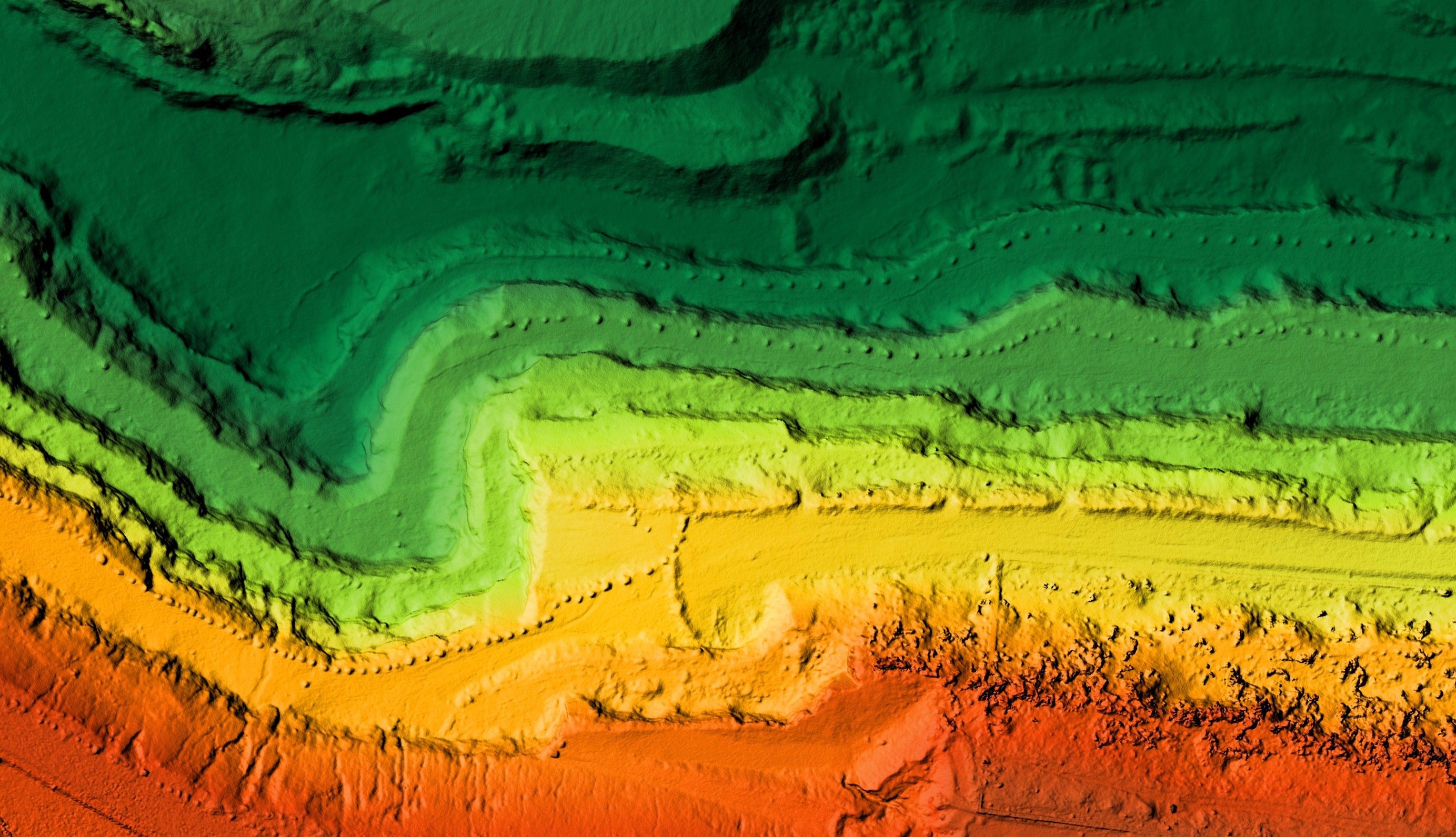
Incorporating drones and satellite imagery can offer aerial perspectives, which are invaluable for mapping and analysis. These technologies save time and resources, making surveys more efficient and effective.
Fieldwork and Data Collection
Fieldwork is a critical component of geological surveys. During this phase, geologists collect rock, soil, and water samples and perform in-situ tests. It's crucial to follow proper sampling techniques to ensure data integrity.
- Conduct thorough site inspections.
- Use appropriate tools for sample collection.
- Ensure samples are correctly labeled and stored.

Data Analysis and Interpretation
Once data is collected, the next step is analysis and interpretation. This involves using statistical tools and software to process and analyze the data. Geologists can then interpret the findings to make informed decisions and recommendations.
Collaborating with experts in related fields, such as hydrology and environmental science, can provide additional insights and ensure a multidisciplinary approach to analysis.
Reporting and Communication
Effective communication of survey results is essential. Reports should be clear, concise, and well-organized, presenting data in a way that is accessible to stakeholders. Visual aids like graphs, charts, and maps can enhance understanding and engagement.

Regular updates and presentations to stakeholders help in maintaining transparency and trust. Being open to feedback can also lead to improvements in future surveys.
Continuous Learning and Improvement
The field of geology is constantly evolving, and staying updated with the latest advancements is crucial for success. Attending workshops, conferences, and training sessions can provide new insights and techniques.
Implementing lessons learned from past surveys and being adaptable to new methods will continuously improve the quality and efficiency of geological surveys.