
How to Prepare for a Geological Survey in South Africa
Understanding Geological Surveys
Geological surveys are essential for understanding the earth's structure, composition, and resources. In South Africa, a country rich in mineral resources, these surveys play a crucial role in mining, environmental planning, and construction. Proper preparation is key to ensuring successful outcomes from a geological survey.
Before embarking on a survey, it's important to have a clear understanding of the objectives. Are you identifying mineral deposits, assessing environmental impact, or planning construction? Clearly defined goals will guide the methodology and tools used in the survey.
Gathering the Necessary Equipment
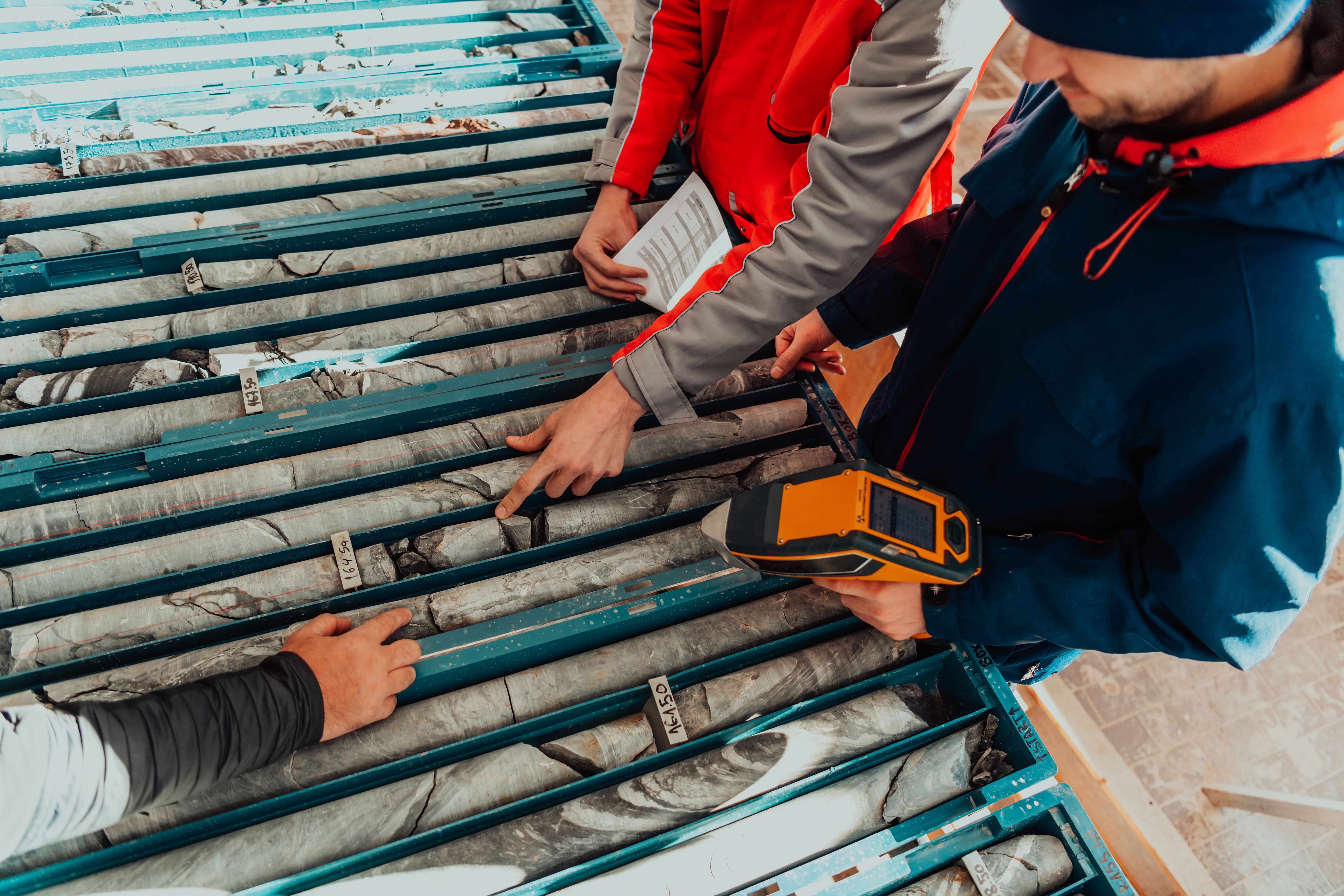
Equipping yourself with the right tools is vital for a successful geological survey. Essential equipment may include geological hammers, GPS devices, compasses, and sample collection bags. Depending on the survey's scope, more advanced equipment like ground-penetrating radar or magnetometers might be necessary.
Ensure all equipment is in good condition and calibrated. This preparation step can prevent delays and inaccuracies during the survey. Consider renting specialized tools if purchasing them is not feasible.
Understanding Local Regulations and Permissions
In South Africa, geological surveys often require specific permissions and adherence to local regulations. Familiarize yourself with the legal requirements, which might involve obtaining permits from local authorities or landowners.
Failing to secure the necessary permissions can lead to project delays or legal complications. It's advisable to consult with local experts or legal advisors who understand the regulatory landscape.

Preparing Your Team
A successful geological survey relies on a well-prepared team. Ensure that all team members are trained and knowledgeable about their roles. Conducting a pre-survey meeting can help clarify tasks and address any questions.
Consider the safety of your team as a priority. Provide them with appropriate safety gear, such as helmets, gloves, and boots, and ensure they are aware of safety protocols. Regular safety drills can enhance team readiness for any unexpected situations.
Conducting a Preliminary Site Visit
Performing a preliminary site visit can provide valuable insights into the terrain and logistical challenges. This visit allows you to plan access routes, identify potential hazards, and determine the best locations for data collection.
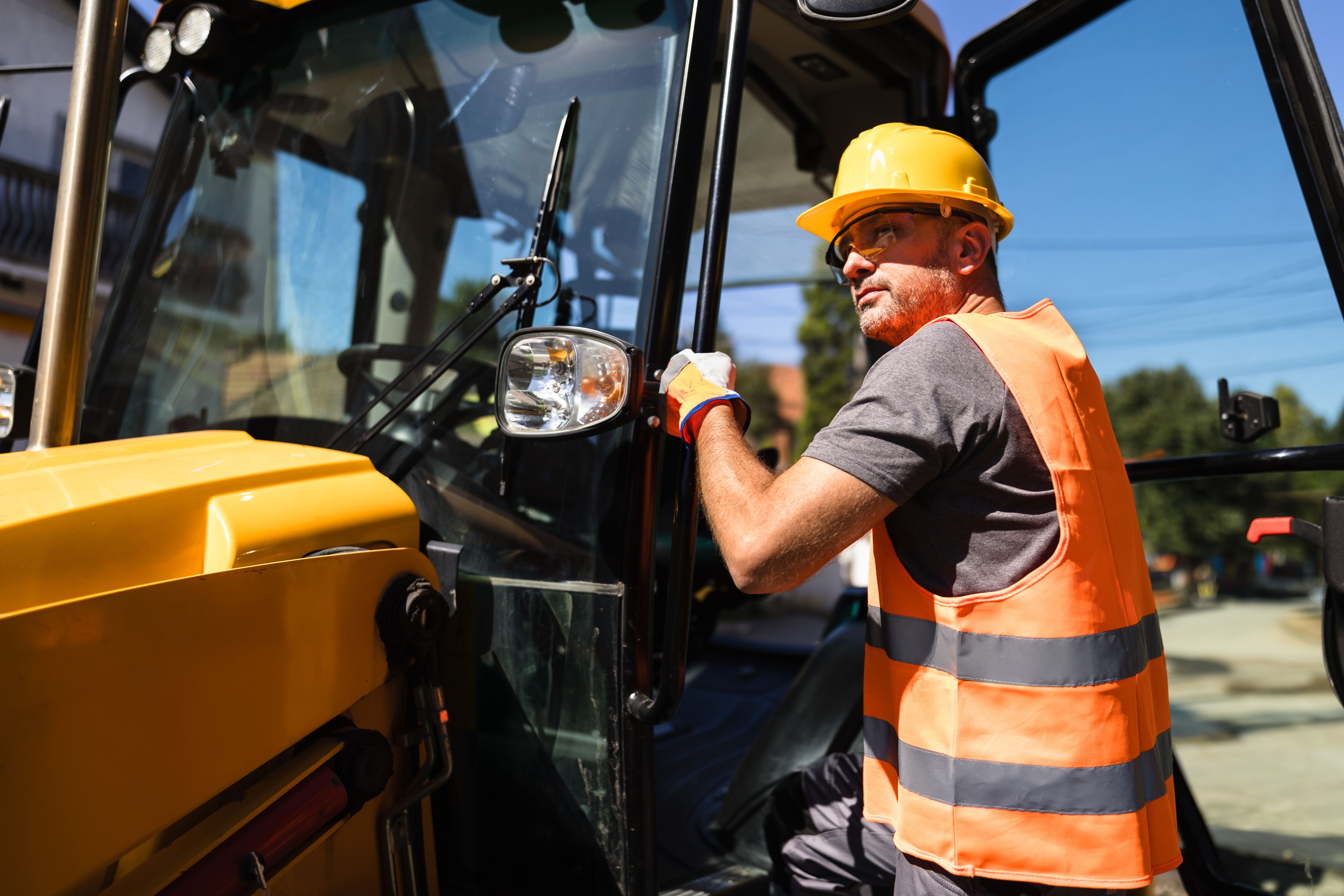
During the site visit, take notes and photographs to help with planning and decision-making. These observations will be invaluable when finalizing the survey plan and ensuring efficient fieldwork.
Data Collection and Analysis
Once in the field, systematic data collection is crucial. Use a consistent method to record findings and collect samples. Ensure that data is accurately documented, as this information will form the basis for analysis and reporting.
After collecting data, the analysis phase begins. Utilize software and tools to interpret the data accurately. This analysis will help in drawing conclusions and making informed decisions based on the survey's findings.

By following these steps, you can ensure that your geological survey in South Africa is well-prepared, efficient, and successful. Proper planning, adherence to regulations, and a focus on safety will contribute to achieving your survey's objectives.