
Innovations in Mineral Exploration Services: What You Need to Know
Introduction to Mineral Exploration
Mineral exploration is a critical component of the mining industry, involving the search for and discovery of mineral deposits. As the demand for minerals increases, the industry is turning to innovative methods to enhance exploration efficiency and success. This post delves into the latest innovations in mineral exploration services that are revolutionizing the field.
Advancements in Geophysical Techniques
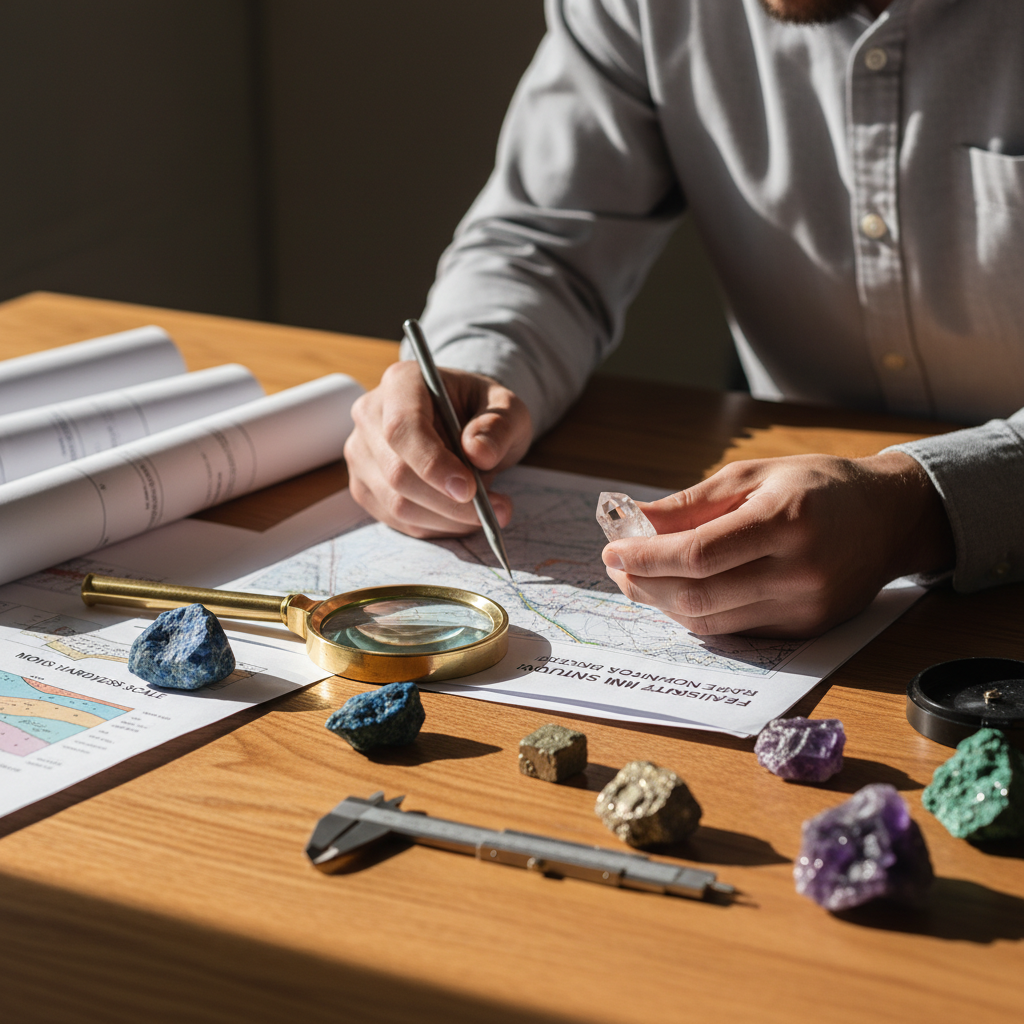
Geophysical techniques have significantly evolved, offering more precise and detailed data. One of the standout advancements is the use of drones equipped with geophysical sensors. These drones can cover vast areas quickly, providing high-resolution data that improves the accuracy of exploration efforts. Additionally, airborne geophysical surveys are becoming more cost-effective, allowing for more frequent and widespread exploration activities.
Another innovation is the development of three-dimensional (3D) geophysical modeling. This technology enables geologists to visualize subsurface formations in unprecedented detail, enhancing their ability to pinpoint potential mineral deposits.
Role of Artificial Intelligence and Machine Learning
Artificial Intelligence (AI) and Machine Learning (ML) are transforming mineral exploration by analyzing vast datasets to identify patterns and anomalies that might indicate the presence of minerals. These technologies can process and interpret data much faster than traditional methods, leading to quicker decision-making and reduced exploration costs.

Machine learning algorithms are particularly effective in predicting mineral locations by integrating geological, geochemical, and geophysical data. This predictive capability reduces the risk and uncertainty associated with exploration projects, making them more attractive to investors.
Innovations in Geochemical Analysis
Geochemical analysis has also seen significant advancements. Portable X-ray fluorescence (XRF) analyzers allow field teams to conduct real-time geochemical analysis, providing immediate feedback on mineral content. This capability enables quicker decision-making and reduces the time and cost associated with sending samples to laboratories.
Moreover, advancements in isotopic analysis techniques are providing more detailed insights into the history and formation of mineral deposits, which is crucial for understanding their economic potential.
The Impact of Big Data
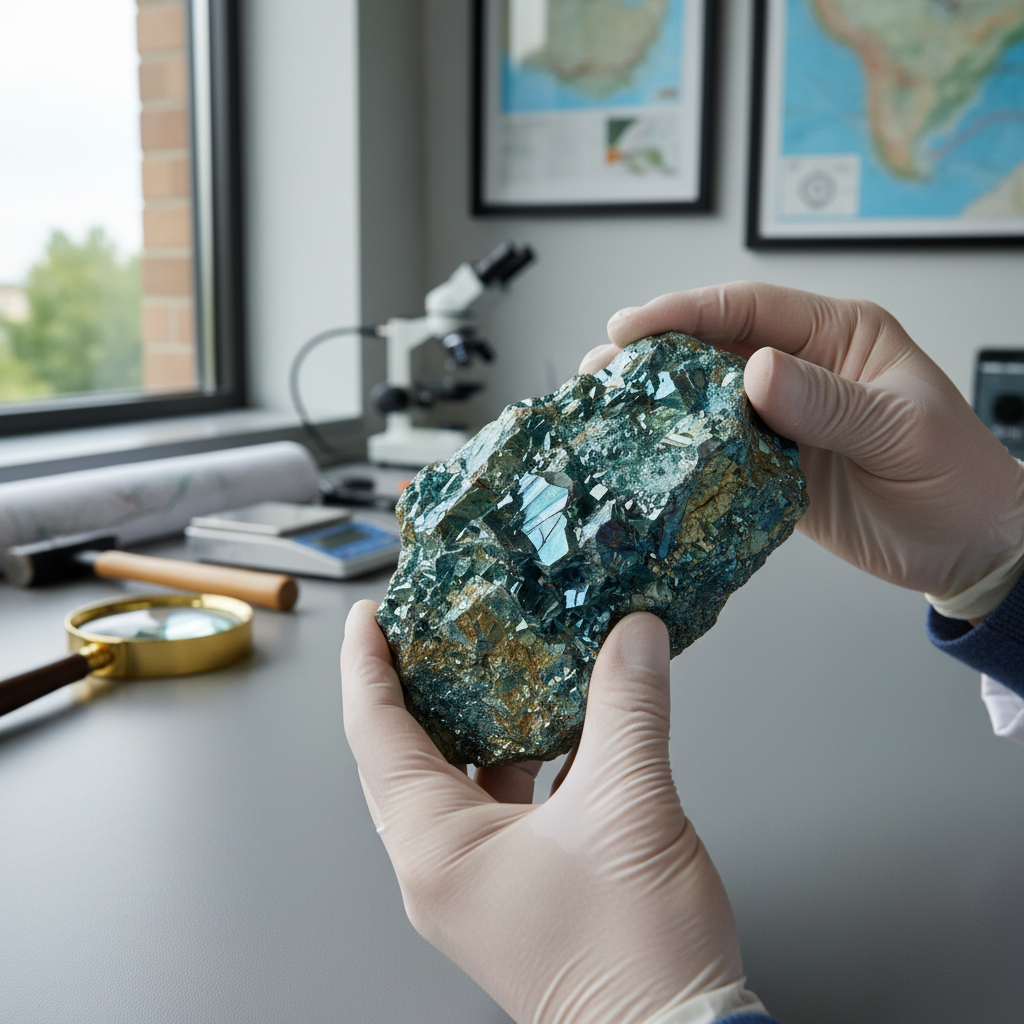
Big Data is playing a crucial role in mineral exploration by enabling the integration and analysis of diverse datasets. By leveraging Big Data analytics, exploration companies can uncover hidden patterns and correlations that may suggest new exploration targets. This data-driven approach enhances the precision and effectiveness of exploration strategies.
Furthermore, the use of cloud-based platforms ensures that data is accessible to teams globally, facilitating collaboration and improving the overall efficiency of exploration projects.
Sustainability and Environmental Considerations
As environmental concerns become increasingly important, innovations in mineral exploration are also focusing on sustainability. Techniques that minimize environmental impact, such as non-invasive geophysical methods and precision drilling, are gaining traction. These methods not only reduce the ecological footprint but also improve the social license to operate.
Exploration companies are also exploring ways to rehabilitate exploration sites, ensuring that environmental restoration is integrated into the exploration process from the outset.
Conclusion
Innovations in mineral exploration services are reshaping the industry, making it more efficient, cost-effective, and sustainable. As technology continues to advance, the ability to discover and develop new mineral resources will only improve, ensuring that the mining industry can meet the growing global demand for minerals.