Innovations in Mining: How Technology is Changing Copper Extraction
Introduction to Technological Advancements in Copper Mining
The mining industry has always been at the forefront of innovation, constantly evolving to meet the demands of a growing world. Today, technology is revolutionizing the way we extract copper, bringing more efficiency, sustainability, and safety to the process.

Automation and Robotics
One of the most significant changes in copper extraction is the use of automation and robotics. These technologies are reducing the need for human intervention in hazardous environments, improving safety, and increasing productivity. Automated drilling and autonomous vehicles are becoming commonplace in modern mining operations.
Through the use of advanced sensors and AI, these machines can operate with precision, minimizing waste and optimizing resource extraction. This shift not only enhances efficiency but also reduces the environmental impact of mining activities.
Data Analytics and IoT
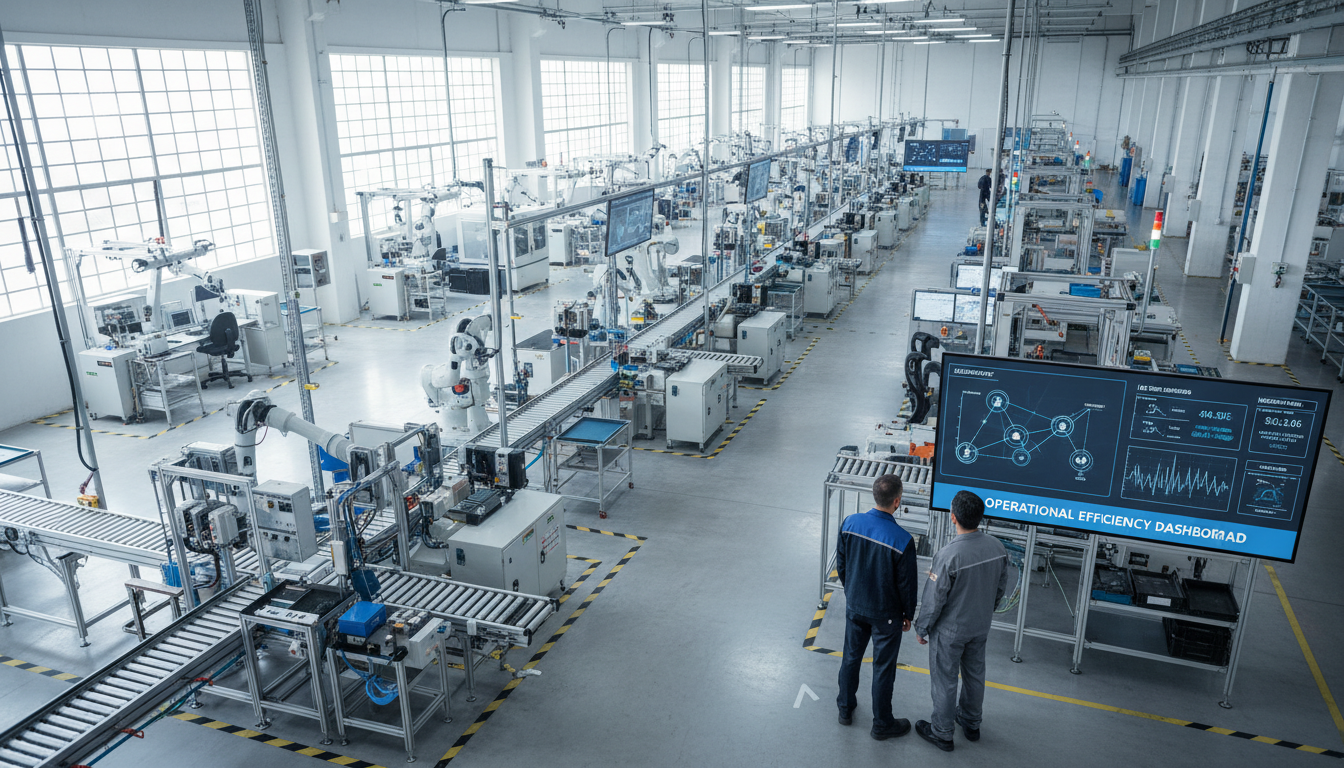
The integration of data analytics and the Internet of Things (IoT) has transformed copper mining into a highly data-driven industry. Sensors embedded in equipment continuously collect data, providing real-time insights into various aspects of the mining process.
- Predictive maintenance to reduce downtime.
- Optimization of resource allocation.
- Enhanced decision-making capabilities.
Sustainable Practices
As environmental concerns continue to grow, the mining industry is under pressure to adopt sustainable practices. Technological innovations are playing a crucial role in achieving these goals. Water management systems, for example, are becoming more sophisticated, allowing for the recycling and efficient use of water in copper extraction.
Additionally, new methods of ore processing are being developed to reduce energy consumption and lower carbon emissions. These technologies are essential in ensuring that mining operations can continue without compromising the planet's health.
Remote Operations and Monitoring
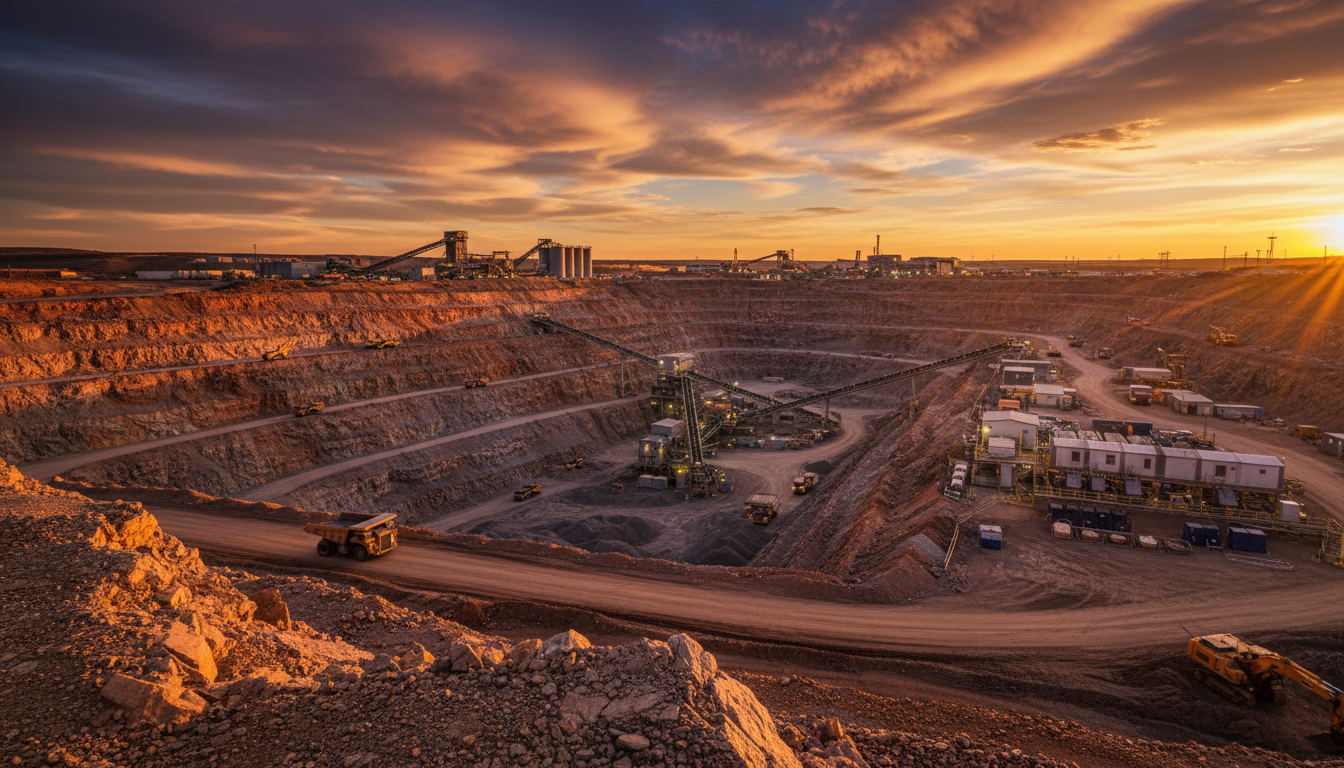
The ability to control and monitor mining operations remotely is another groundbreaking advancement. Using satellite connectivity and advanced software, operators can manage operations from miles away, reducing the need for on-site personnel.
This remote capability not only enhances the safety of workers but also allows for continuous monitoring and rapid response to any issues that may arise, ensuring uninterrupted and efficient operations.
Conclusion
The innovations in technology are rapidly changing the landscape of copper extraction. From automation and data analytics to sustainable practices and remote monitoring, the industry is embracing these changes to build a more efficient, safe, and environmentally friendly future.
As these technologies continue to evolve, they hold the promise of transforming the mining industry, paving the way for a new era in copper extraction that meets the demands of both industry and society.