Sustainable Mining Practices in Zambia: A Comprehensive Guide
Zambia, known for its rich mineral deposits, has become a focal point for mining activities. However, the environmental and social impacts of traditional mining practices have sparked a need for more sustainable methods. This guide explores the sustainable mining practices being adopted in Zambia and their benefits.
Understanding Sustainable Mining
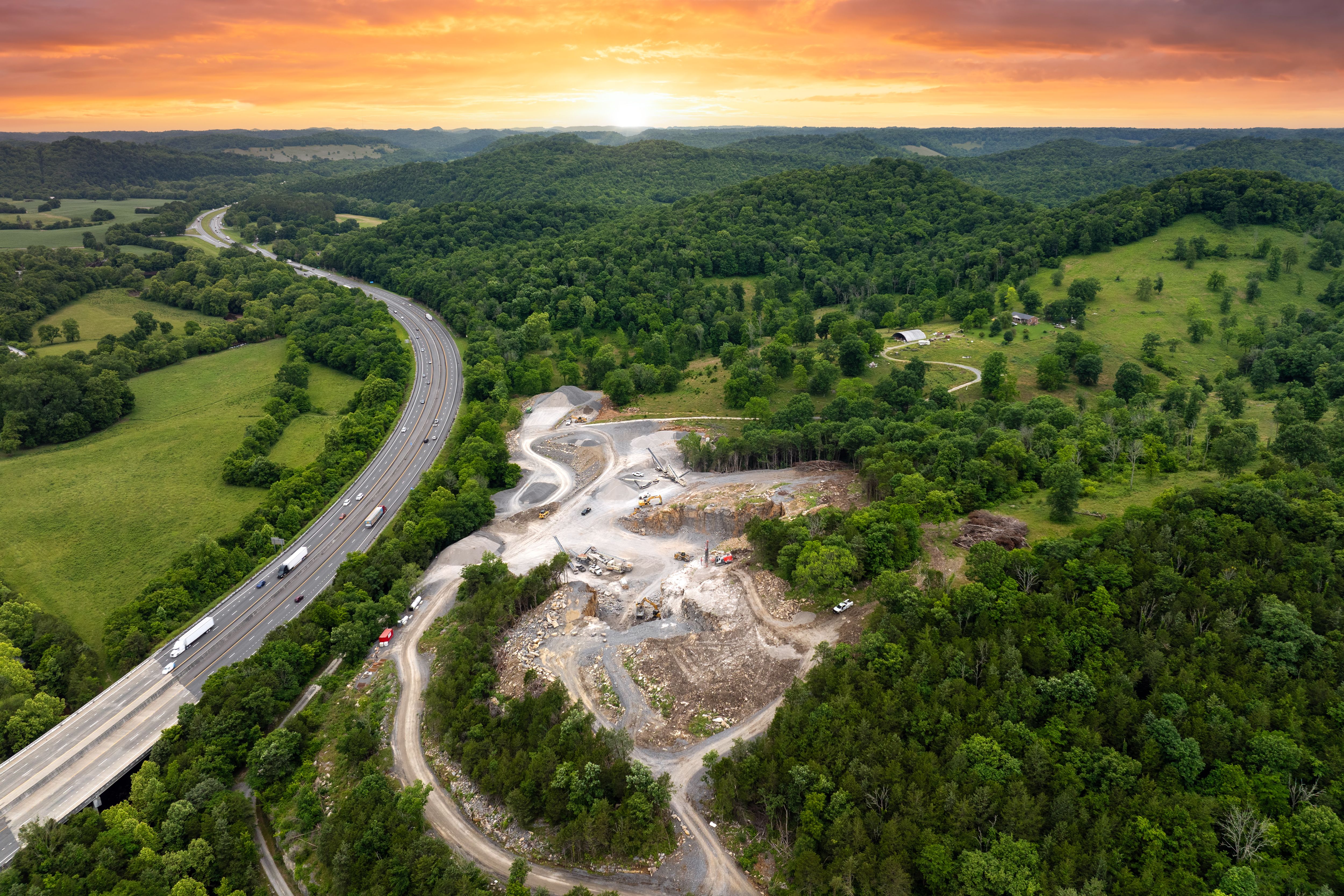
Sustainable mining involves practices that minimize environmental damage and promote social responsibility. These methods aim to reduce the carbon footprint, manage waste efficiently, and ensure the well-being of local communities. In Zambia, sustainable mining is becoming more prevalent as companies recognize its importance.
Environmental Impact Reduction
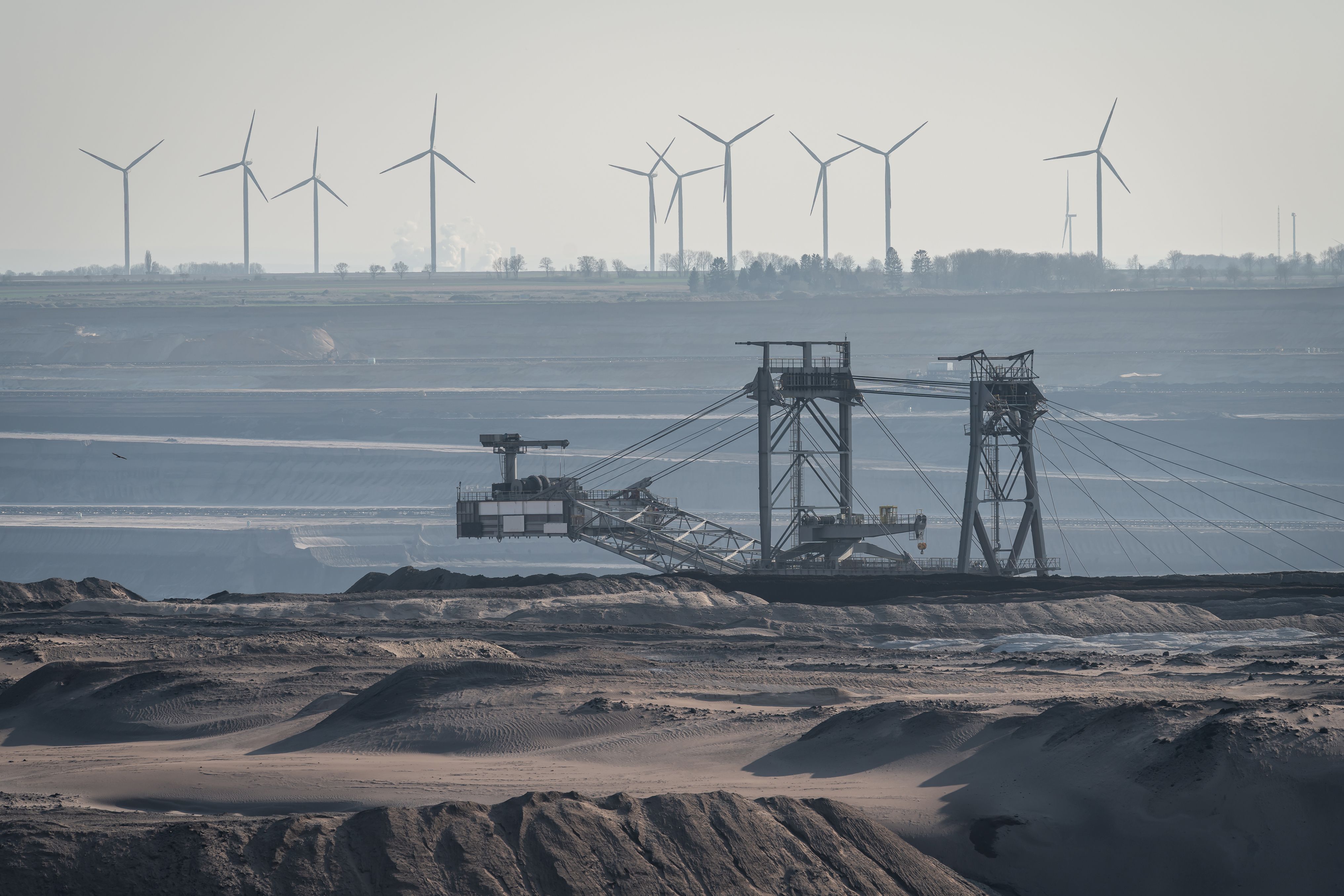
One of the primary goals of sustainable mining is to reduce environmental damage. Zambian mining companies are adopting technologies that lower emissions and manage waste more effectively. For instance, using renewable energy sources, such as solar power, helps minimize the carbon footprint of mining operations.
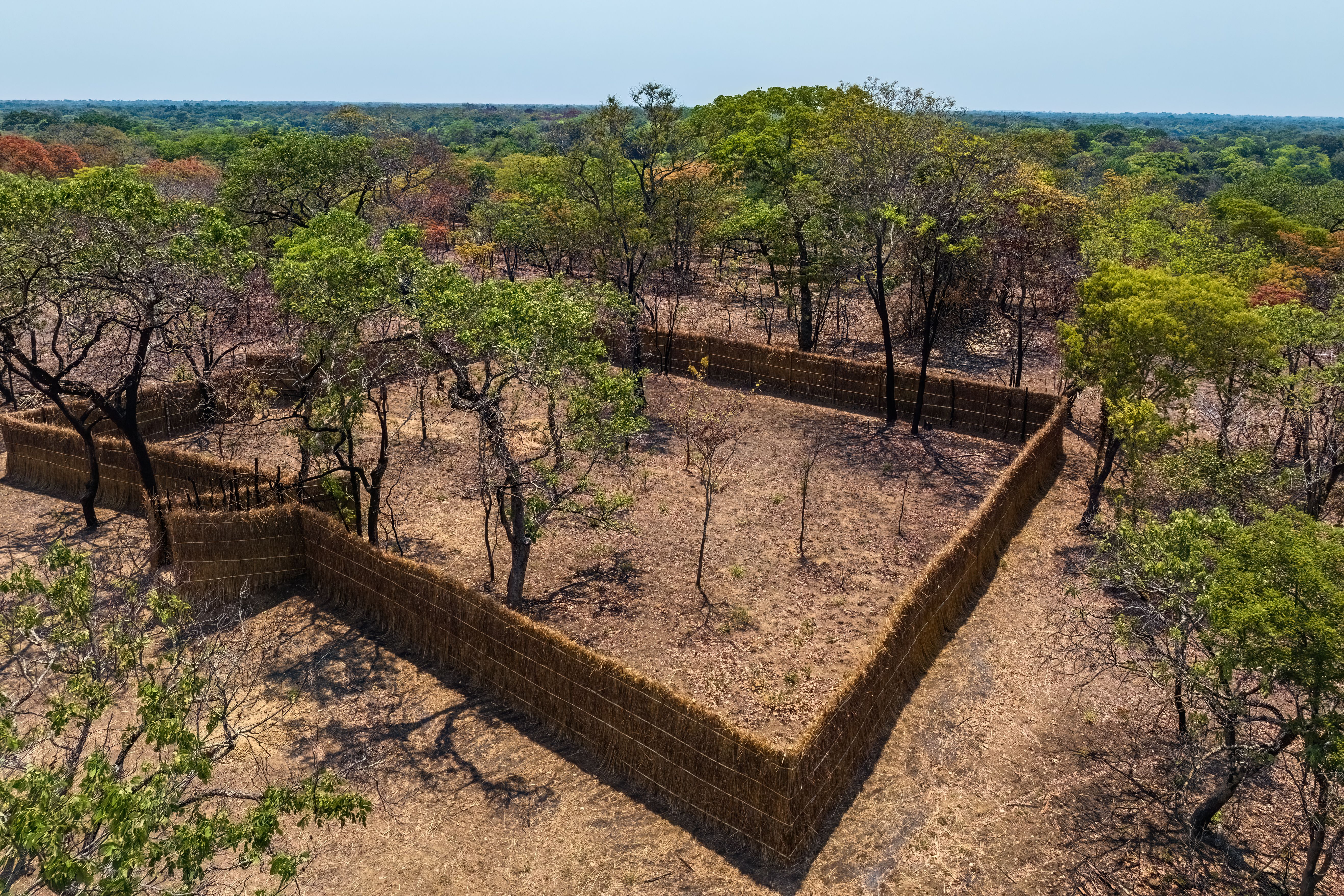
Additionally, efforts are being made to rehabilitate mining sites. Replanting native vegetation and restoring ecosystems are critical steps in mitigating the adverse effects of mining.
Community Engagement and Benefits
Sustainable mining practices emphasize the importance of community engagement. In Zambia, mining companies are working closely with local communities to ensure they benefit from mining activities. This includes creating job opportunities, supporting local businesses, and investing in community development projects.
Social Responsibility Initiatives
Companies are also focusing on social responsibility by improving health and education infrastructure in mining regions. By providing better healthcare and educational facilities, mining companies contribute to the overall development of the communities they operate in.
Challenges and Opportunities
Despite progress, there are challenges to implementing sustainable mining practices in Zambia. Limited resources and the need for technical expertise pose significant hurdles. However, these challenges also present opportunities for innovation and collaboration among stakeholders.
Collaboration and Innovation
Collaboration between government, mining companies, and international organizations is crucial for overcoming these challenges. By working together, they can share knowledge, pool resources, and develop innovative solutions that promote sustainable practices.
In conclusion, sustainable mining in Zambia is a multifaceted approach that requires commitment from all stakeholders. By focusing on environmental protection, community engagement, and collaboration, Zambia can lead the way in transforming the mining industry for a more sustainable future.