
Sustainable Quarrying: Innovations and Trends in South Africa
Introduction to Sustainable Quarrying
The quarrying industry in South Africa plays a crucial role in the nation's economy, providing essential materials for construction and infrastructure. However, the environmental impact of traditional quarrying practices has raised concerns. As a result, sustainable quarrying has emerged as a vital trend, aiming to balance economic growth with environmental preservation.
Technological Innovations
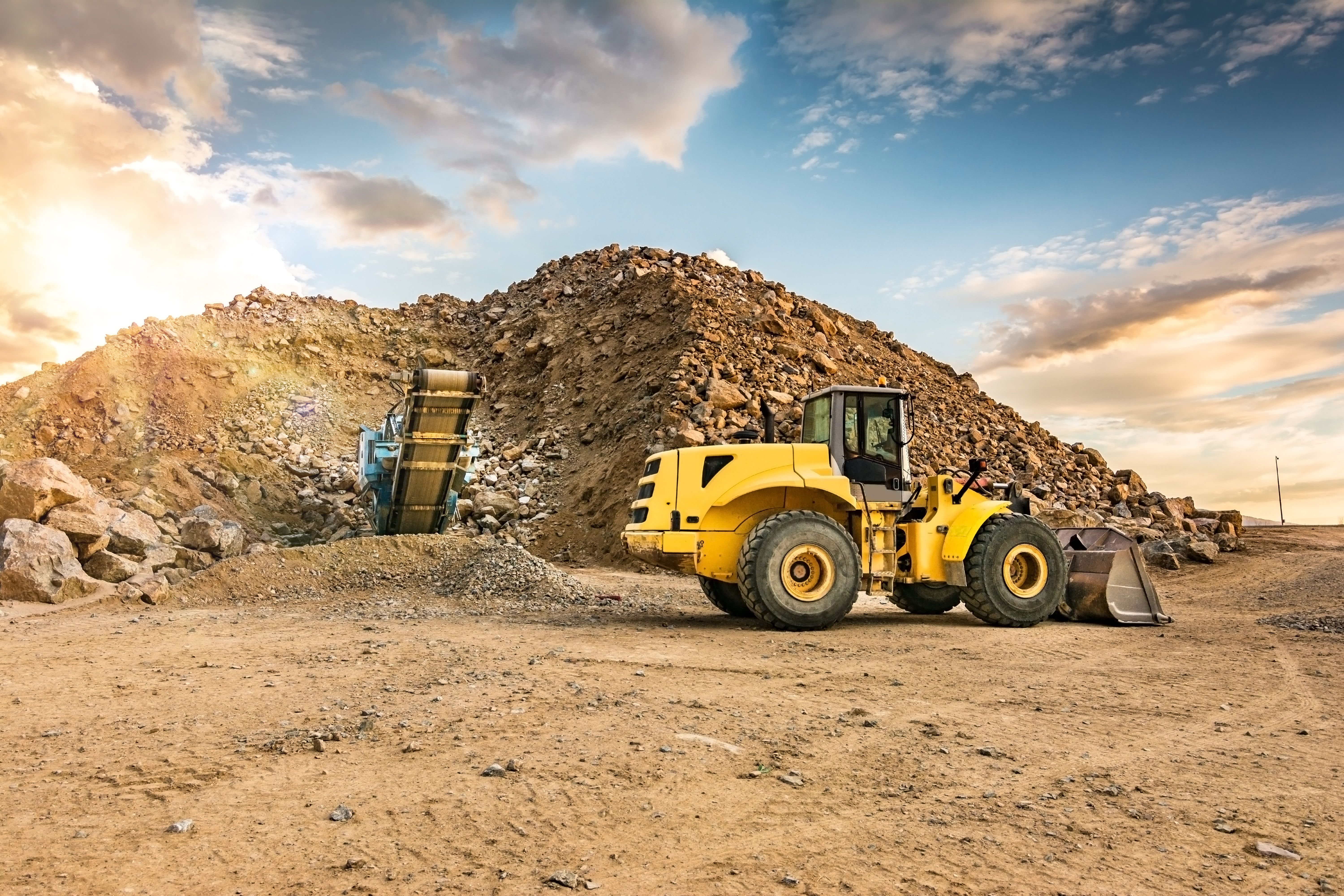
Technological advancements are at the forefront of sustainable quarrying. Modern machinery and equipment have been developed to reduce emissions and energy consumption. These innovations include electric and hybrid machinery, automated systems, and advanced monitoring tools that help minimize environmental footprints.
Moreover, companies are investing in technologies that enable the efficient extraction and processing of materials. This not only reduces waste but also enhances the overall productivity of quarrying operations.
Rehabilitation and Land Restoration
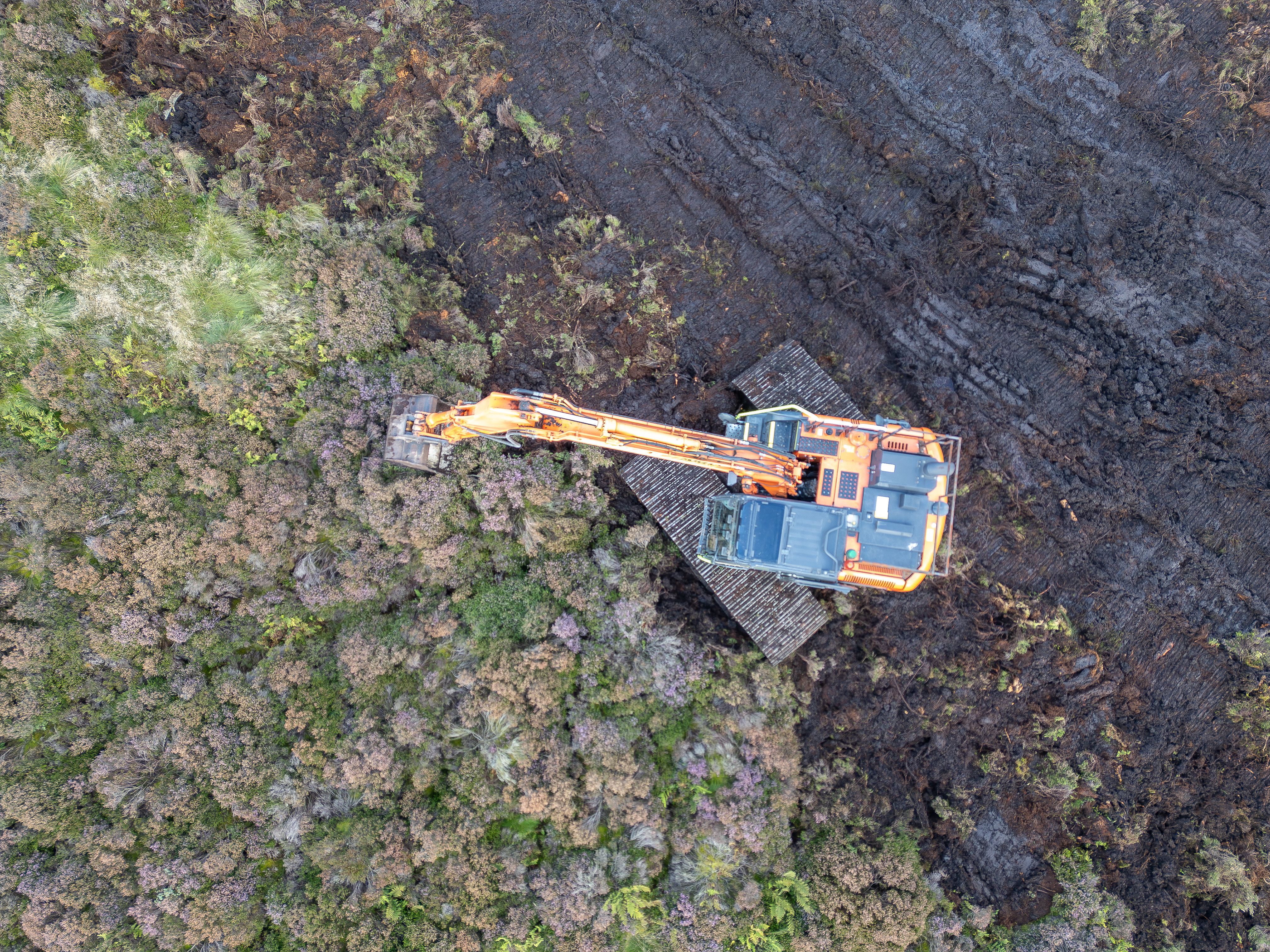
Rehabilitation and land restoration are essential components of sustainable quarrying. After the extraction activities are completed, efforts are made to restore the land to its natural state or repurpose it for other uses. This process involves planting native vegetation, creating water bodies, and sometimes developing recreational areas.
By prioritizing land rehabilitation, quarrying companies can significantly reduce their environmental impact and contribute to biodiversity conservation in South Africa.
Community Engagement and Social Responsibility
Community engagement is a key aspect of sustainable quarrying. Companies are increasingly recognizing the importance of building positive relationships with local communities. This involves transparent communication, addressing community concerns, and providing economic opportunities through local hiring and training programs.
Social responsibility initiatives also play a role, with quarrying companies investing in infrastructure, education, and health projects that benefit the surrounding communities.

Regulatory Framework and Compliance
The South African government has implemented a stringent regulatory framework to promote sustainable quarrying practices. Compliance with environmental regulations ensures that quarrying operations are conducted responsibly, minimizing negative impacts on the environment.
These regulations cover various aspects, including waste management, water usage, and emissions control, encouraging companies to adopt sustainable practices and technologies.

Future Trends and Developments
Looking ahead, the future of sustainable quarrying in South Africa appears promising. The industry is expected to continue its focus on innovation, with further advancements in technology and eco-friendly practices. Collaborations between government, industry, and academia are likely to drive research and development in this field.
Additionally, there is an increasing emphasis on circular economy principles, where waste materials are repurposed and recycled, further enhancing sustainability in quarrying operations.

Conclusion
Sustainable quarrying in South Africa is a dynamic and evolving field. With ongoing innovations and a strong regulatory framework, the industry is making significant strides in reducing its environmental impact while contributing to the country's economic development. By continuing to prioritize sustainability, the quarrying sector can ensure a balanced approach to growth and environmental stewardship.