
The Environmental Impact of Quarrying: Mitigation Strategies and Solutions
Understanding the Environmental Impact of Quarrying
Quarrying, the process of extracting stone, sand, and other raw materials from the earth, significantly impacts the environment. While essential for construction and infrastructure, its effects on ecosystems, landscapes, and local communities cannot be overlooked. The environmental consequences include habitat destruction, air and water pollution, and noise disturbances, necessitating effective mitigation strategies.
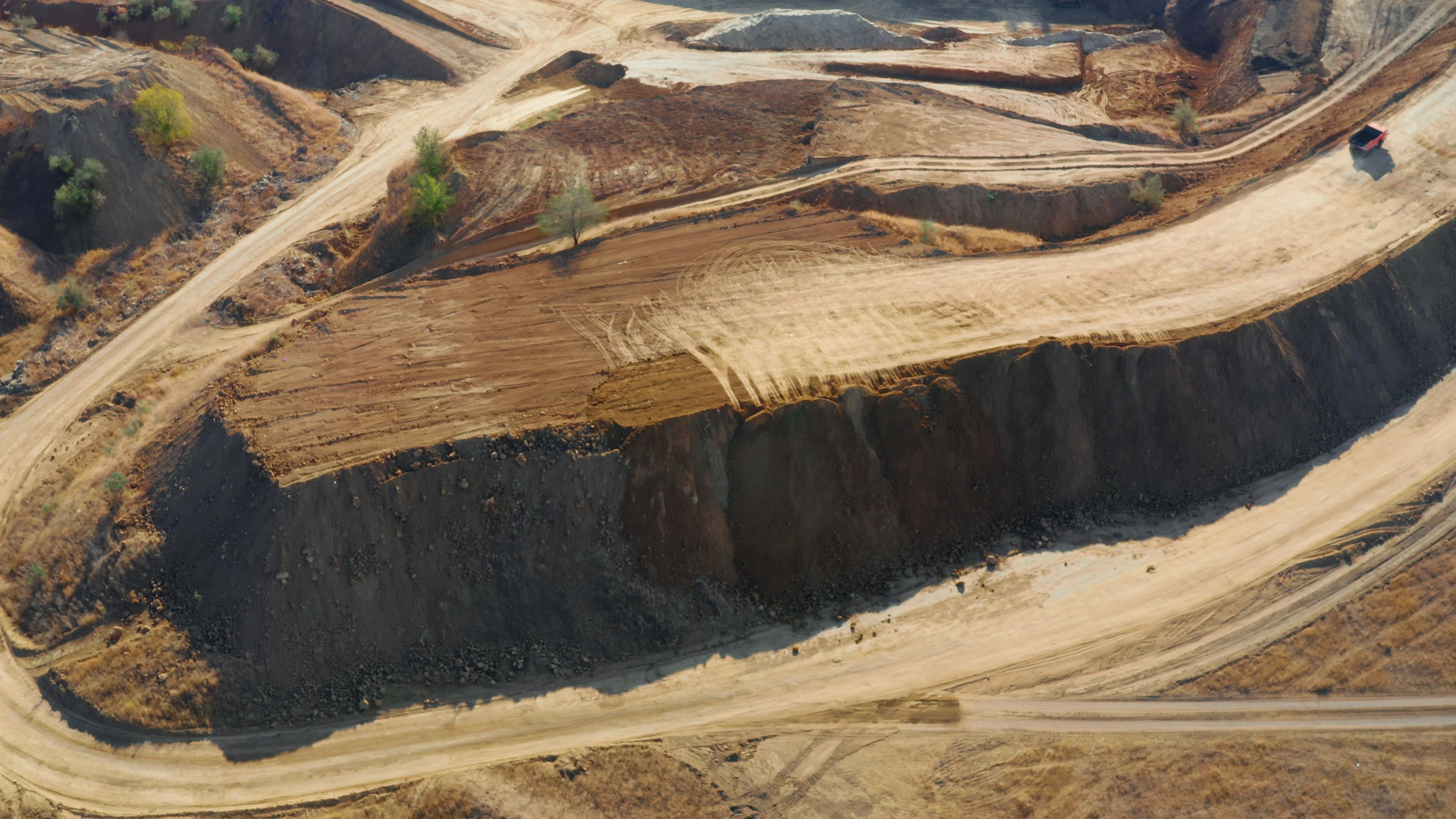
One of the primary concerns is habitat destruction. Quarrying often involves clearing large areas, leading to loss of biodiversity. The removal of vegetation disrupts local ecosystems, affecting plant and animal life. This destruction can have long-lasting effects, making it crucial to address these issues with sustainable practices.
Mitigation Strategies for Habitat Preservation
To reduce the negative impact on habitats, several strategies can be implemented. One approach is the development of biodiversity action plans that prioritize the conservation of local species. These plans may include setting aside protected areas and creating buffer zones to minimize the ecological footprint of quarrying activities.
Another effective strategy is progressive rehabilitation, where mined areas are gradually restored to their natural state. This involves replanting native vegetation and reconstructing habitats, allowing ecosystems to recover over time. Collaborating with environmental experts can enhance the success of these rehabilitation efforts.

Addressing Air and Water Pollution
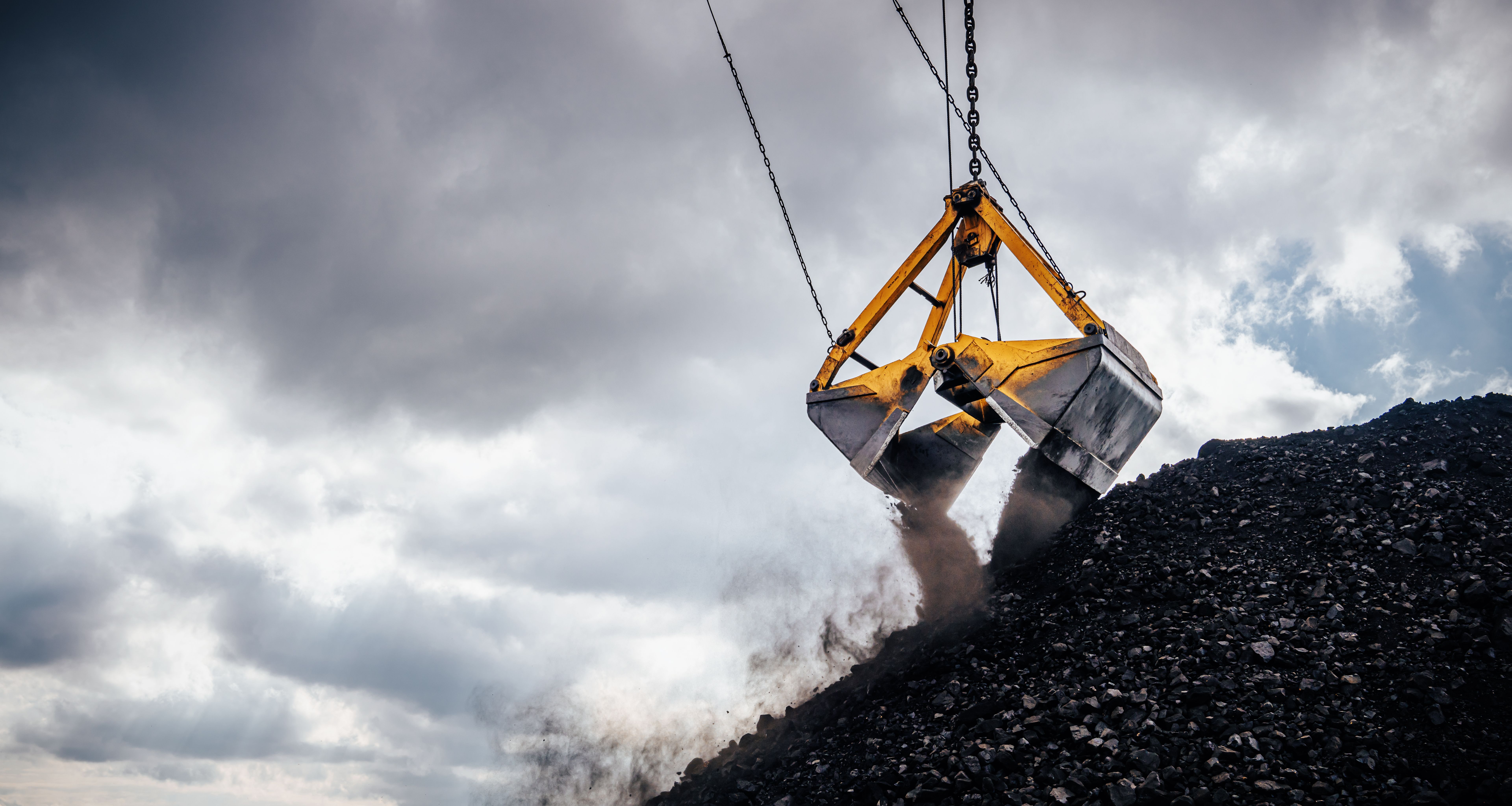
Quarrying operations can also contribute to air and water pollution. Dust and particulate matter released into the air can affect air quality, posing health risks to nearby communities. Similarly, runoff from quarry sites can contaminate local water bodies, impacting aquatic life and water quality.
Implementing dust control measures, such as water spraying and vegetation barriers, can significantly reduce air pollution. Additionally, using sediment control techniques can prevent runoff from polluting water sources. These measures not only protect the environment but also contribute to the well-being of local communities.

Minimizing Noise and Visual Disturbances
Noise pollution from quarrying operations can disrupt the peace of nearby communities and wildlife. To mitigate this, companies can invest in noise-reducing technologies and equipment. Constructing physical barriers such as earth berms can also help in dampening sound levels effectively.
Visual impacts are another concern, as quarries can alter natural landscapes. Landscape restoration techniques, including contouring and planting, can help blend quarry sites with the surrounding environment, reducing their visual footprint.
Embracing Sustainable Practices
Ultimately, the goal is to embrace sustainable quarrying practices that balance economic benefits with environmental responsibilities. Adopting modern technologies and adhering to strict environmental regulations can lead to more efficient and eco-friendly operations.
Engaging with local communities and stakeholders is also essential for successful implementation of mitigation strategies. By fostering open communication and collaboration, quarrying companies can align their practices with community needs and environmental conservation goals.
Quarrying remains a vital industry, but it's crucial to address its environmental impact through strategic mitigation efforts. By focusing on habitat preservation, pollution control, and sustainable practices, we can minimize the ecological footprint of quarrying and ensure a healthier planet for future generations.