
The Future of Copper Mining in Africa: Innovations and Challenges
Introduction
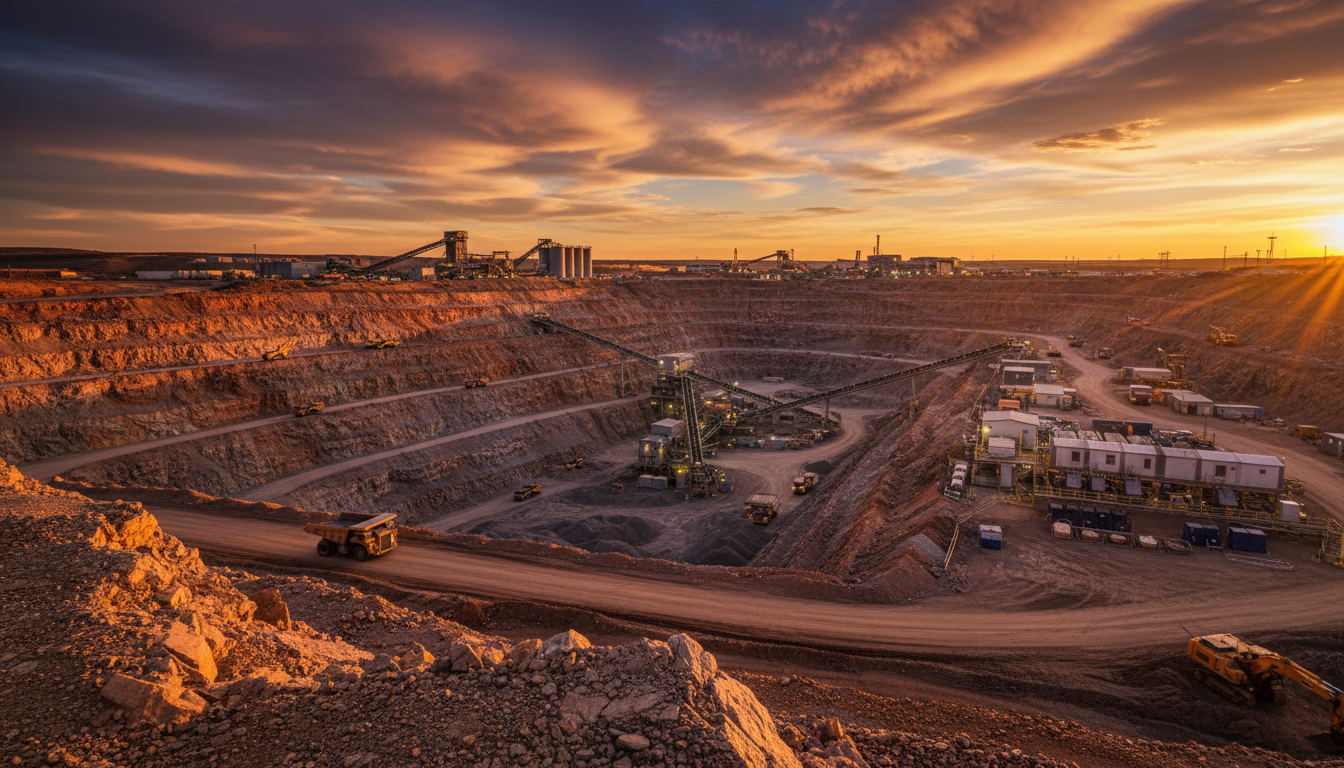
Africa has long been a significant player in the global mining industry, with copper being one of its major resources. As the demand for copper continues to rise due to advancements in technology and infrastructure, Africa's role in the global market is more important than ever. This blog post explores the future of copper mining on the continent, focusing on the latest innovations and the challenges that lie ahead.
The rapid urbanization and industrialization across the globe have led to a surge in the need for copper, a vital component in electrical wiring, plumbing, and telecommunications. Africa, with its vast reserves, is poised to meet this demand, but several obstacles must be overcome to fully harness its potential.

Technological Innovations
Recent technological advancements have made copper mining more efficient and sustainable. Innovations such as automation and data analytics are transforming the industry by reducing costs and increasing productivity. Automated mining equipment, for example, allows for safer and more efficient extraction processes.
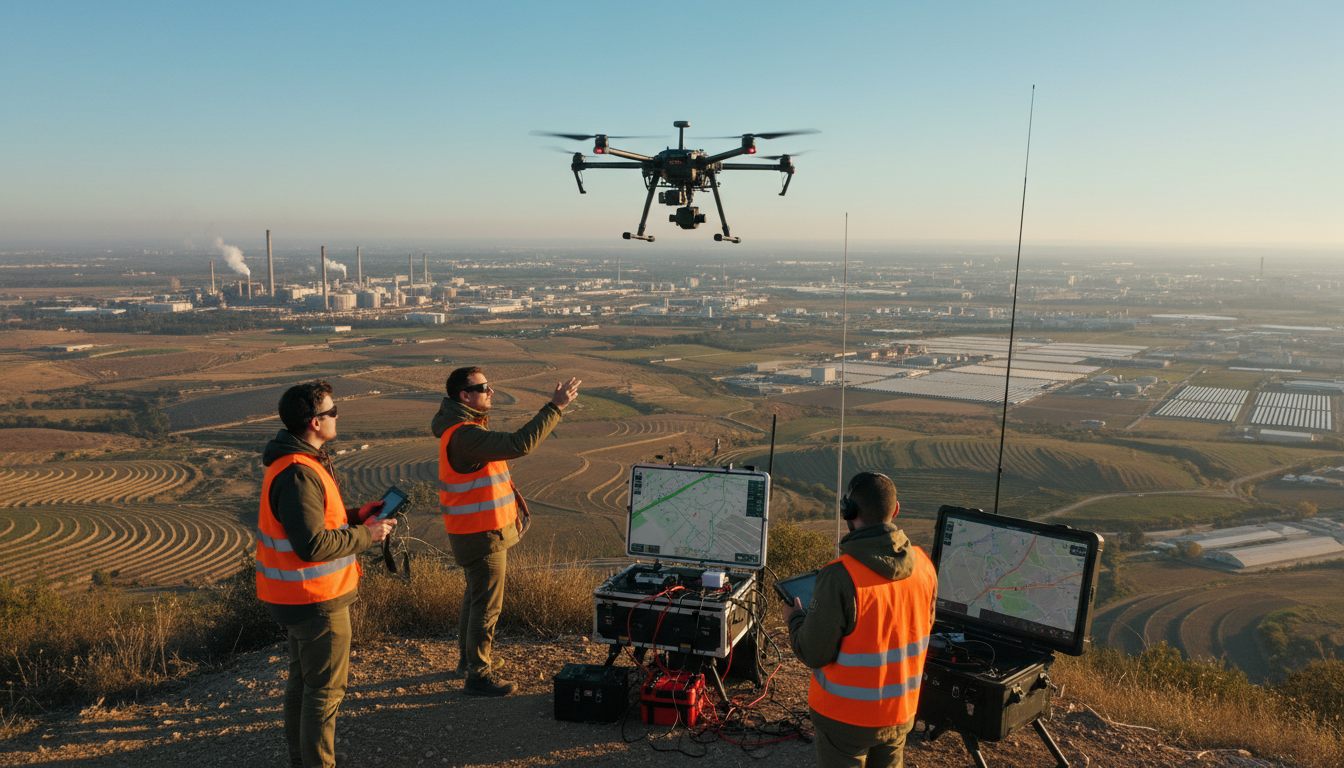
Another significant development is the use of drones for surveying and mapping. Drones provide accurate geological data, helping mining companies locate and extract copper with minimal environmental impact. These technologies not only enhance productivity but also ensure that mining practices are more environmentally friendly.
Environmental Concerns
Despite these innovations, environmental concerns remain a significant challenge for copper mining in Africa. The extraction process can lead to deforestation, soil degradation, and water pollution. As global awareness of environmental issues grows, mining companies are under pressure to adopt more sustainable practices.
Many companies are now investing in eco-friendly technologies, such as water recycling systems and renewable energy sources, to reduce their environmental footprint. However, implementing these solutions requires substantial investment and commitment from all stakeholders involved.

Economic and Social Challenges
Beyond environmental issues, the socio-economic landscape presents its own set of challenges. Many African countries face political instability, inadequate infrastructure, and regulatory hurdles, which can deter investment in the copper mining sector.
Furthermore, the industry must address the need for local community engagement and workforce development. Providing job opportunities and training for local populations not only contributes to economic growth but also fosters a sense of ownership and cooperation between mining companies and communities.

Looking Ahead
The future of copper mining in Africa is promising, provided that the industry can navigate these challenges effectively. Governments, private investors, and local communities must collaborate to create a conducive environment for sustainable growth. By investing in technology and prioritizing environmental and social responsibility, Africa can secure its position as a leading copper supplier.
Moreover, as the global demand for copper continues to rise, Africa's potential to contribute significantly to the world's supply cannot be overlooked. With the right strategies and innovations in place, the continent could not only meet this demand but also drive economic development across the region.
Conclusion
In conclusion, the future of copper mining in Africa hinges on the industry's ability to embrace technological innovations and address environmental and socio-economic challenges. By doing so, Africa can unlock its full potential, ensuring sustainable growth and prosperity for years to come. As the world watches, the continent's copper mining sector is poised to play a pivotal role in shaping the future of global mining.