The Future of Copper Mining in Zambia: Trends and Innovations
Zambia, known as the "country of copper," has long been a significant player in the global copper mining industry. As the world shifts towards sustainable practices and technological advancements, the future of copper mining in Zambia looks promising, yet challenging. This post explores the trends and innovations shaping this sector in the coming years.
Technological Advancements in Mining
One of the most exciting developments in the Zambian copper mining industry is the adoption of cutting-edge technology. Innovations such as automation and remote monitoring are becoming increasingly prevalent. These technologies not only enhance productivity but also improve safety by reducing the need for human presence in dangerous environments.
Furthermore, the integration of artificial intelligence and machine learning is transforming how mining operations are conducted. These technologies enable predictive maintenance and optimized resource management, significantly reducing operational costs.

Sustainability and Environmental Considerations
As global environmental concerns grow, the copper mining industry in Zambia is under pressure to adopt more sustainable practices. Many companies are investing in eco-friendly technologies that minimize environmental impact. This includes methods to reduce water usage and energy consumption, as well as initiatives to rehabilitate mining sites.
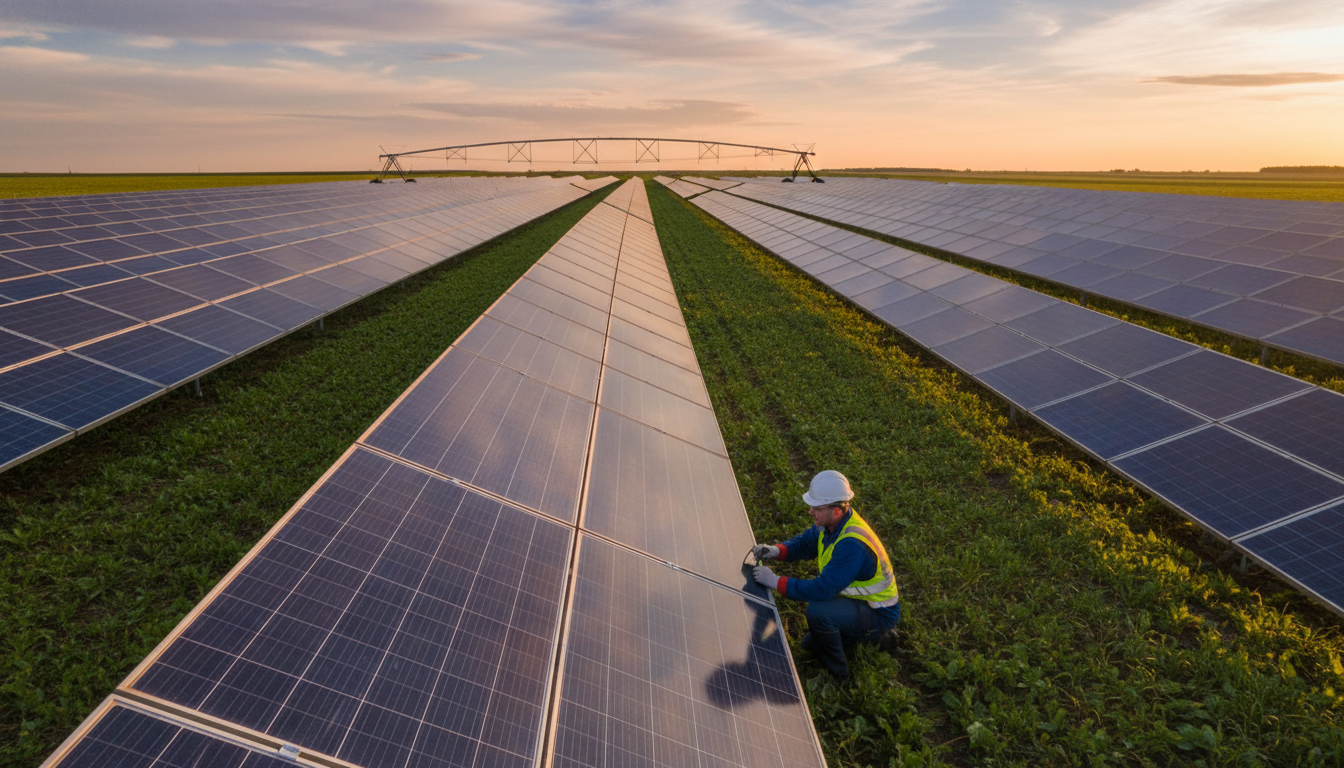
The push towards sustainability is also driving the exploration of alternative energy sources. Solar power, in particular, is gaining traction as a viable option to power mining operations, reducing reliance on fossil fuels.
Community Engagement and Social Responsibility
Community engagement has become a key focus for mining companies in Zambia. By investing in local communities through education, healthcare, and infrastructure projects, companies aim to build lasting relationships and ensure mutual benefits.
Moreover, transparent communication and fair labor practices are essential to maintaining a positive social license to operate. Companies are increasingly emphasizing corporate social responsibility (CSR) initiatives that align with community needs and priorities.

Economic Implications and Global Demand
The global demand for copper, driven by the expansion of renewable energy and electric vehicles, presents significant economic opportunities for Zambia. As a major copper producer, Zambia is well-positioned to capitalize on these trends, potentially boosting its economy and creating jobs.
However, fluctuating global market prices and geopolitical tensions pose challenges. Diversifying export markets and developing strategies to mitigate risks will be crucial for sustaining economic growth.

The Role of Government and Policy
Government policies play a vital role in shaping the future of copper mining in Zambia. Regulatory frameworks that encourage investment and innovation are essential for the industry’s growth. This includes tax incentives, streamlined licensing processes, and support for research and development.
Collaboration between the government and private sector is necessary to address challenges and harness opportunities within the industry. Effective policy-making can ensure that mining remains a cornerstone of Zambia’s economic landscape.

In conclusion, the future of copper mining in Zambia is shaped by a mix of technological, environmental, social, and economic factors. By embracing innovation and sustainability, the Zambian copper mining industry can navigate these challenges and continue to thrive on the global stage.