
The Future of Quarry Services in Zambia: Upcoming Innovations
Introduction to Quarry Services in Zambia
The quarrying industry in Zambia plays a crucial role in the construction and infrastructure sectors. As the nation continues to develop, the demand for high-quality materials is on the rise. With the advent of new technologies, the future of quarry services in Zambia is set to experience significant transformations.
Advancements in Technology
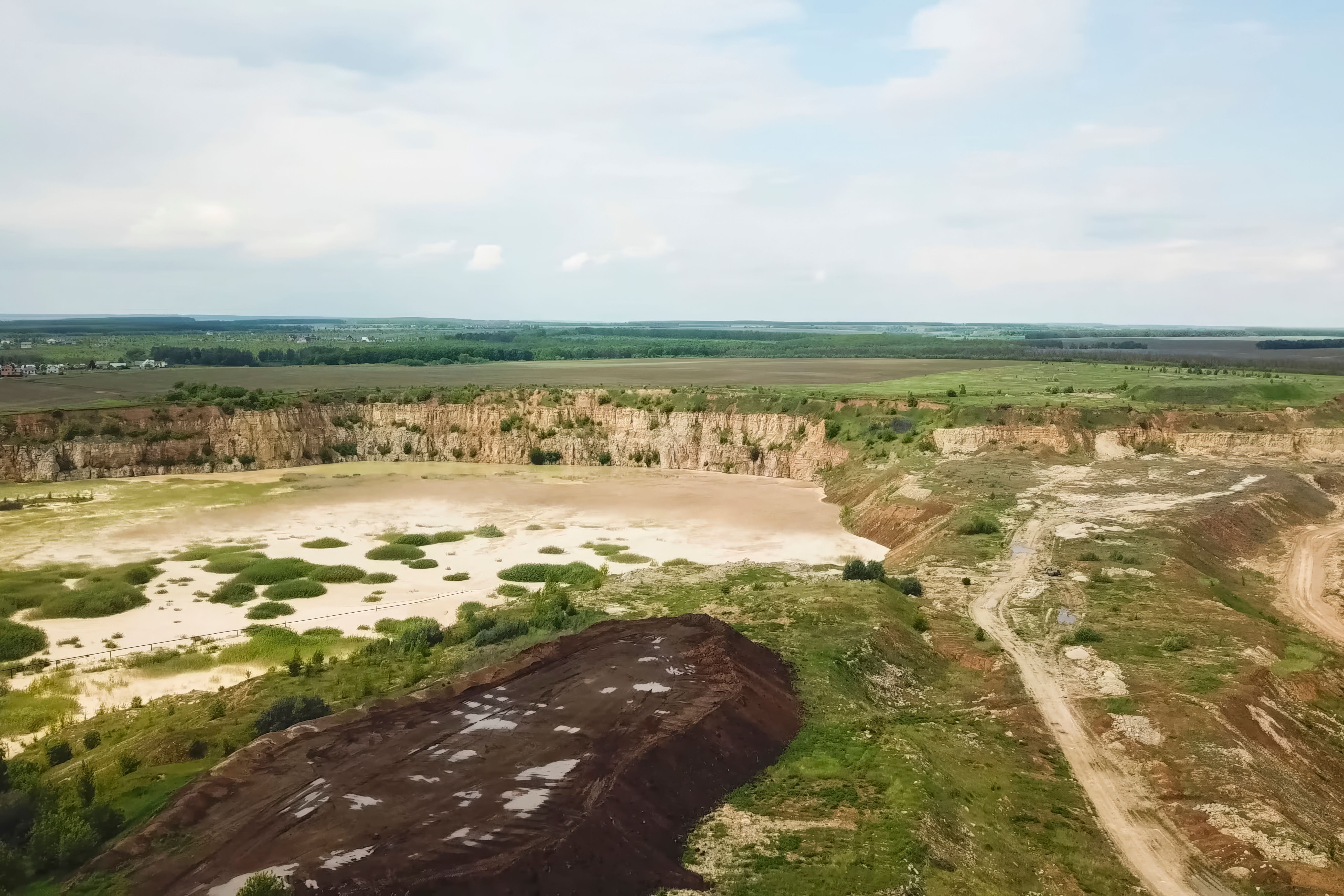
Technological advancements are at the forefront of the changes in the quarrying industry. The integration of modern machinery and automation is enhancing efficiency and reducing operational costs. Technologies such as drones and 3D mapping are being used for surveying and monitoring quarry sites, providing accurate data and improving safety.
Automation is particularly revolutionizing how quarries operate. From automated drilling and blasting to the use of autonomous vehicles, these innovations are streamlining processes and increasing productivity. The adoption of these technologies not only boosts output but also minimizes environmental impact by optimizing resource use.

Environmental and Sustainability Initiatives
The focus on sustainability is becoming increasingly important in the quarrying industry. Companies are investing in eco-friendly practices to reduce their carbon footprint and ensure compliance with environmental regulations. This includes the use of renewable energy sources, water recycling systems, and sustainable land rehabilitation practices.
Moreover, there's a growing emphasis on reducing waste and promoting the recycling of materials. By implementing circular economy principles, the industry aims to minimize waste and promote sustainable resource management.

Workforce Development and Training
As the industry evolves, so do the skills required for quarry operations. Workforce development and training are critical to adapting to new technologies and methodologies. Many companies are investing in training programs to equip their employees with the necessary skills to handle modern equipment and embrace innovative practices.
These programs not only enhance productivity but also improve safety standards, ensuring a safer working environment for all employees. As technology becomes more integrated into quarry operations, continuous learning and skill development will be essential.

Economic Impact and Opportunities
The quarrying sector significantly contributes to Zambia's economy by providing jobs and supporting infrastructure development. Upcoming innovations present new opportunities for growth and expansion. By embracing these changes, the industry can attract investments and improve its competitive edge in the regional market.
Furthermore, the development of local supply chains and partnerships with international firms can enhance the industry's capabilities and provide a platform for knowledge exchange and technological transfer.
Conclusion
The future of quarry services in Zambia is promising, driven by technological advancements and a commitment to sustainability. As the industry continues to innovate, it is poised to play a pivotal role in the nation's development. By embracing these changes, Zambia can ensure a thriving and sustainable quarrying sector for years to come.