The Role of Geological Surveys in South Africa's Mining Industry
South Africa's rich geological landscape is integral to its thriving mining industry. Geological surveys play a crucial role in unearthing the country's mineral wealth, ensuring sustainable development, and guiding investment decisions. These surveys provide detailed information about the composition, structure, and distribution of minerals beneath the Earth's surface.
Understanding Geological Surveys
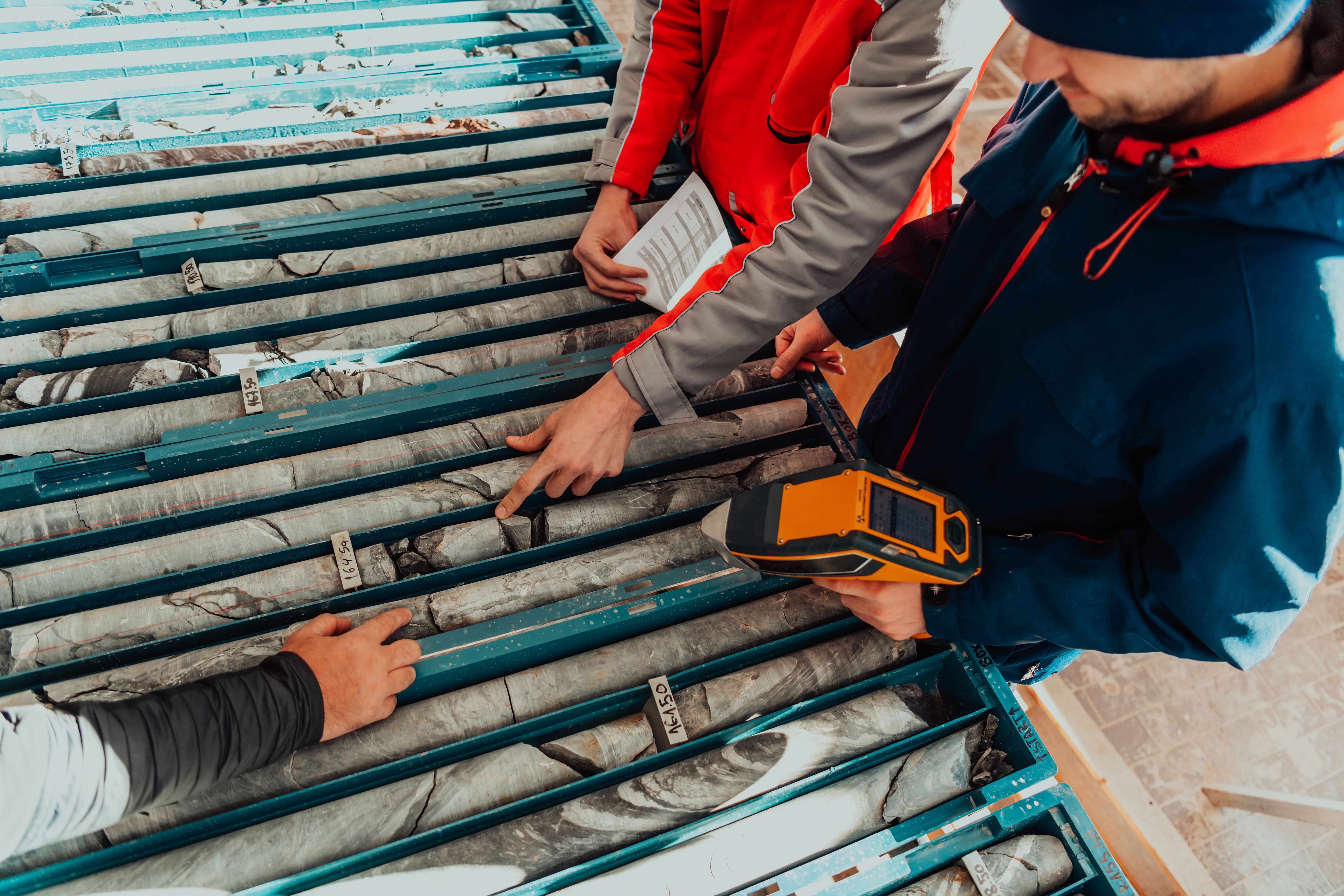
Geological surveys involve the systematic collection of data related to the Earth's physical characteristics. In South Africa, these surveys are conducted by various governmental and private entities. The primary goal is to create comprehensive geological maps and databases that inform mining operations and policy decisions.
These surveys typically include field investigations, sampling, and advanced geophysical techniques. By analyzing the gathered data, geologists can predict the location of mineral deposits and assess their economic viability. This information is invaluable for mining companies looking to invest in new projects.
The Impact on Resource Management
Effective resource management is crucial for the sustainability of South Africa's mining industry. Geological surveys help identify the most efficient ways to extract minerals while minimizing environmental impact. By understanding the geology of an area, mining operations can be planned to reduce land disturbance and preserve biodiversity.
Additionally, these surveys assist in water management and pollution control. By mapping aquifers and analyzing soil composition, mining companies can implement strategies to protect water resources and mitigate contamination risks.
Guiding Investment and Economic Growth
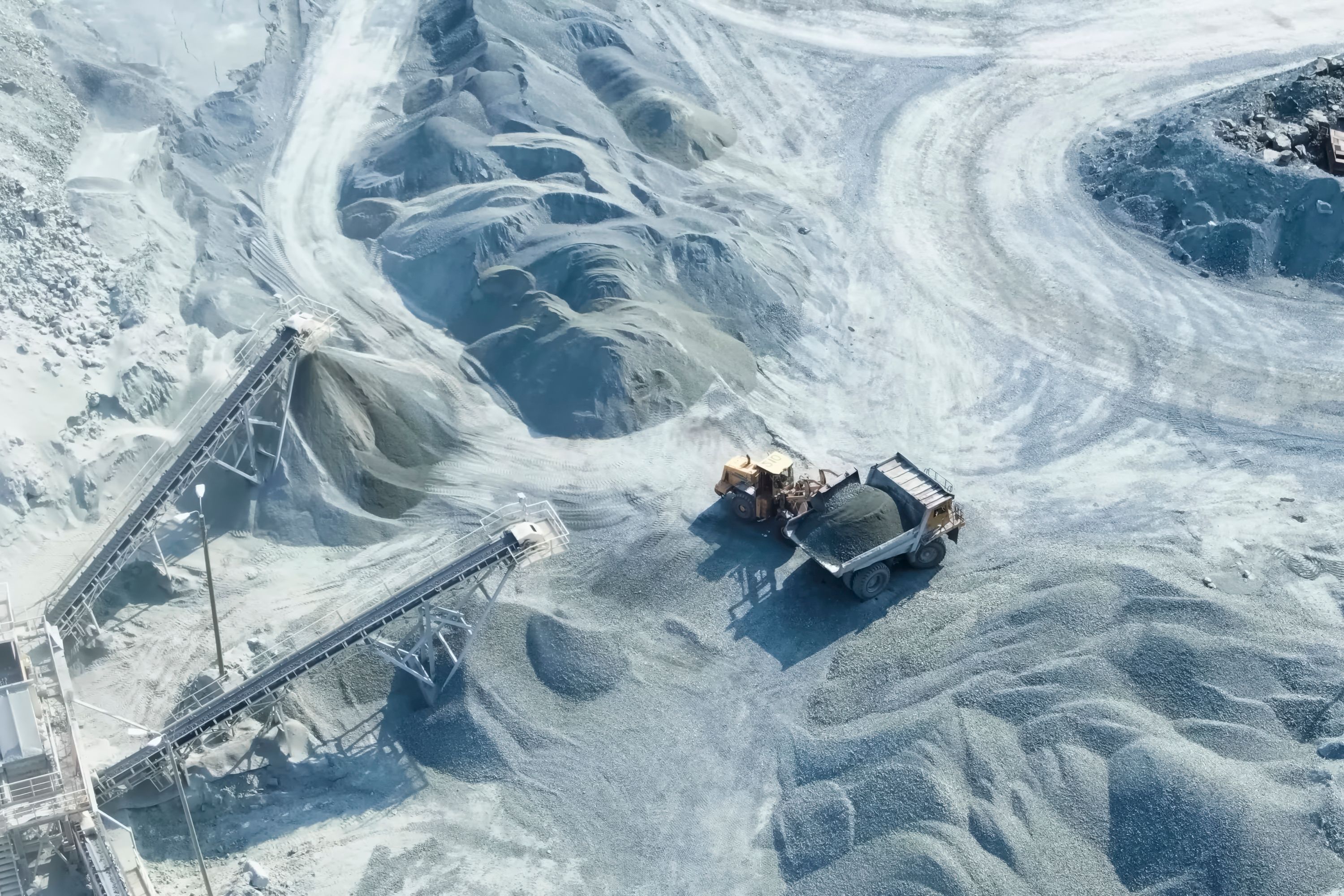
Geological surveys are vital for attracting investment in South Africa's mining sector. Investors rely on accurate geological data to make informed decisions about exploration and development projects. With reliable information on mineral reserves, companies can assess potential returns and risks associated with their investments.
This influx of investment leads to economic growth, job creation, and technological advancements. The mining industry remains a significant contributor to South Africa's GDP, and geological surveys ensure that the sector continues to thrive.
Supporting Technological Advancements
As technology evolves, so do the methods used in geological surveys. South Africa is at the forefront of adopting cutting-edge technologies such as remote sensing, 3D modeling, and artificial intelligence to enhance survey accuracy. These advancements enable more precise exploration and reduce the time and cost associated with traditional surveying methods.

Furthermore, technological innovations contribute to environmental sustainability by enabling more efficient resource extraction and reducing the carbon footprint of mining operations.
The Future of Geological Surveys in South Africa
Looking ahead, the role of geological surveys in South Africa's mining industry will continue to expand. As global demand for minerals increases, the need for accurate and comprehensive geological data becomes even more critical. Collaborative efforts between government agencies, academic institutions, and private companies will drive further advancements in survey techniques.
In conclusion, geological surveys are the backbone of South Africa's mining industry, providing essential insights that drive sustainable development, economic growth, and technological progress. By continuing to invest in these surveys, South Africa can ensure its mineral resources are managed responsibly for future generations.