
The Role of Leading Mining Companies in Africa's Economic Growth
The Importance of Mining in Africa
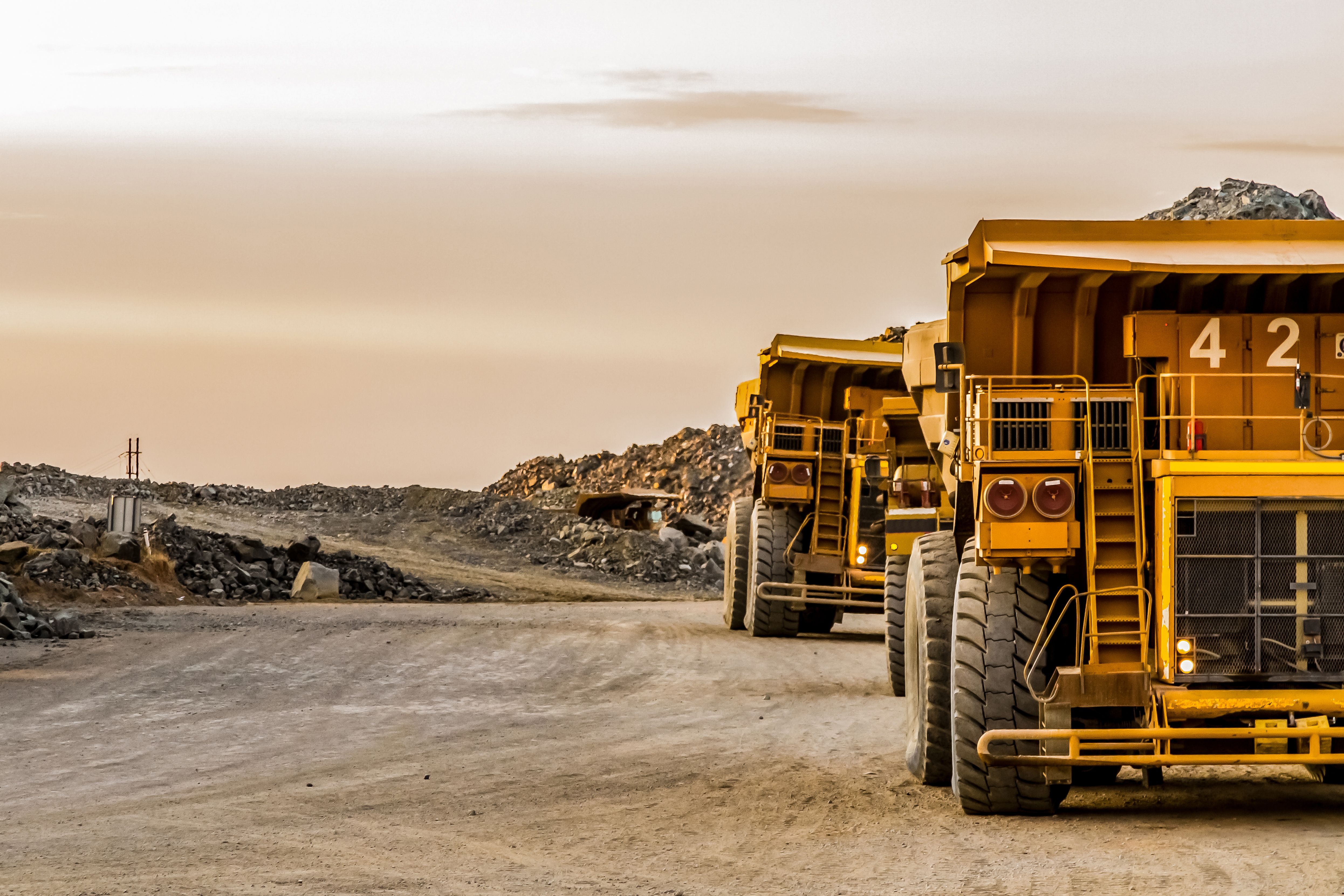
Africa is home to a vast array of natural resources, making it a key player in the global mining industry. From gold and diamonds to copper and platinum, the continent is rich in minerals that are crucial to a wide range of industries. The mining sector in Africa has been a significant driver of economic growth, contributing to job creation, infrastructure development, and increased foreign investment.
Economic Contributions of Mining Companies
Leading mining companies have played a pivotal role in Africa's economic development. By investing in mining operations, these companies contribute significantly to national GDPs and government revenues. The taxes and royalties paid by mining firms help fund public services, infrastructure projects, and social programs, enhancing the quality of life for many Africans.
Moreover, mining companies often invest in local communities, providing essential services such as healthcare, education, and clean water. These initiatives not only improve living standards but also foster goodwill and cooperation between companies and local populations.
Job Creation and Skills Development
One of the most significant impacts of mining companies in Africa is job creation. The mining sector employs millions of people across the continent, offering a range of opportunities from skilled engineering positions to unskilled labor. This employment not only supports families but also stimulates local economies through increased consumer spending.

In addition to providing jobs, mining companies invest in skills development and training programs. By equipping workers with new skills, these programs enable employees to advance their careers and contribute more effectively to the industry. This focus on human capital development is essential for long-term economic growth and stability.
Infrastructure Development
Mining companies frequently invest in infrastructure as part of their operations. This includes the construction of roads, power plants, and railways, which can have far-reaching benefits for local communities and economies. Improved infrastructure facilitates trade, enhances connectivity, and drives economic growth beyond the mining sector.

Infrastructure projects initiated by mining companies often lead to increased access to remote regions, opening up new opportunities for development and investment. This connectivity is critical for the overall economic integration of the continent.
Challenges and Sustainability
Despite the positive impacts, the mining industry in Africa faces several challenges, including environmental concerns, regulatory issues, and social tensions. Leading mining companies are increasingly focusing on sustainable practices to mitigate environmental impacts and foster positive relationships with local communities.
Efforts such as adopting cleaner technologies, reducing emissions, and engaging in responsible waste management are crucial for ensuring the long-term viability of the mining industry in Africa. By prioritizing sustainability, mining companies can help safeguard the environment and contribute to a more sustainable future for the continent.
The Future of Mining in Africa
The future of mining in Africa holds significant promise, with potential for further economic growth and development. Technological advancements, such as automation and digitalization, are set to transform the industry, making it more efficient and sustainable.

As the industry evolves, collaboration between governments, communities, and mining companies will be essential to address challenges and maximize benefits. By working together, stakeholders can ensure that the mining sector continues to play a vital role in Africa's economic growth and prosperity.