Understanding Mineral Exploration Services: A Comprehensive Guide for Investors
Introduction to Mineral Exploration Services
Mineral exploration is a critical part of the mining industry, involving the search for commercially viable concentrations of minerals. These services are essential for identifying potential mining sites and assessing their economic feasibility. Understanding the intricacies of mineral exploration can give investors a strategic edge.
Investors interested in the mining sector must familiarize themselves with the stages of mineral exploration, which range from early-stage surveys to detailed site evaluations. Each stage involves specialized techniques and technologies to ensure accurate results.

Stages of Mineral Exploration
Preliminary Surveys
The exploration process begins with preliminary surveys, which include geological mapping and geochemical analysis. These methods help identify areas with potential mineral deposits. It's essential for investors to understand the significance of these surveys in narrowing down target sites.
Advanced Exploration
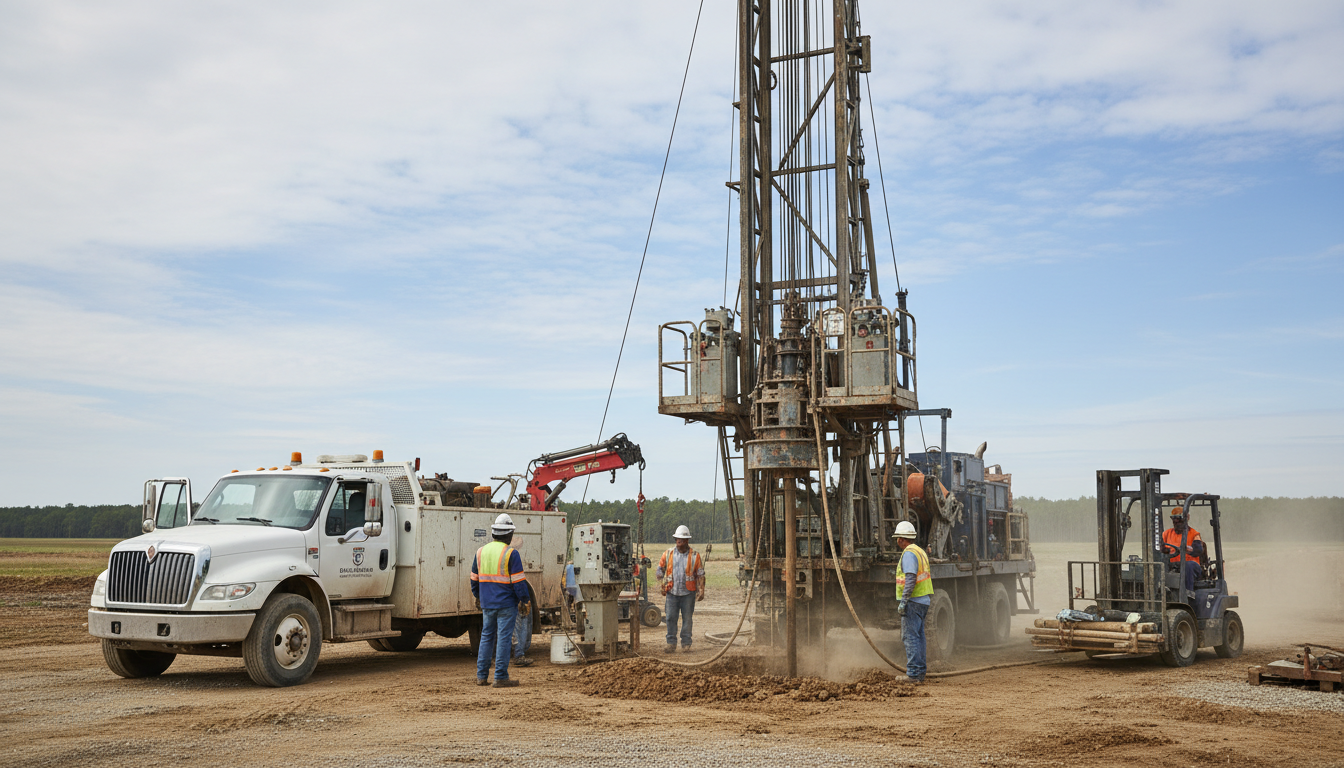
Once potential sites are identified, advanced exploration involves more detailed techniques such as drilling and sampling. This stage assesses the size, grade, and mineral content of the deposit. Investors should pay attention to the results of this phase, as they significantly impact the project's viability.
Key Technologies in Mineral Exploration
Geophysical Methods
Geophysical methods use technologies like magnetic and gravity surveys to detect mineral deposits. These non-invasive techniques are crucial for identifying hidden resources. Understanding these methods can help investors evaluate exploration companies' capabilities.
Remote Sensing
Remote sensing involves using satellite images and aerial photography to gather data on potential mining areas. This technology allows for large-scale exploration with minimal environmental disruption. It's a cost-effective way to assess vast territories.

Factors Influencing Investment Decisions
Investors should consider several factors when evaluating mineral exploration projects. These include the location of the deposit, the type of minerals present, and the regulatory environment. Each factor can significantly influence the project's success and profitability.
Additionally, the experience and track record of the exploration company play a crucial role. Investors should look for companies with a history of successful projects and strong technical expertise.
Risks and Rewards
Investing in mineral exploration offers both high risks and potentially high rewards. The uncertainty of finding a commercially viable deposit can be daunting, but successful discoveries can lead to significant financial returns. Diversification and thorough research can mitigate risks.
Understanding the market demand for specific minerals is also critical. The value of minerals like gold, copper, and lithium can fluctuate based on global economic conditions, impacting potential returns on investment.
Conclusion
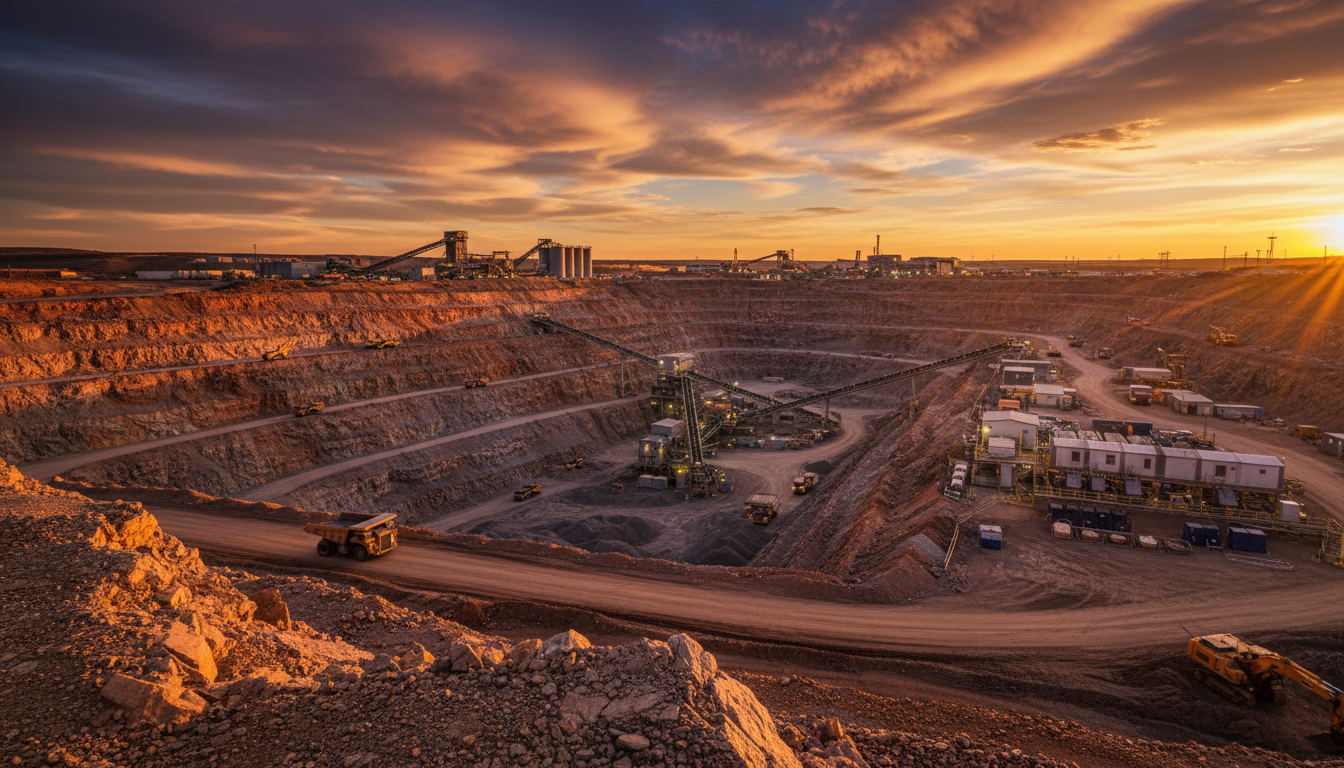
Mineral exploration services are a complex yet exciting area for investors willing to delve into the mining industry. By understanding the exploration process, technologies involved, and market dynamics, investors can make informed decisions that align with their financial goals. Thorough research and strategic investment can unlock substantial opportunities in this dynamic sector.