
Zambia Mineral Exports: Opportunities and Challenges
Introduction to Zambia's Mineral Exports
Zambia is renowned for its rich mineral resources, which play a pivotal role in its economy. As one of Africa's largest producers of copper and cobalt, Zambia's mineral exports are crucial for its economic development. However, the sector faces both remarkable opportunities and significant challenges that influence its growth and sustainability.
Opportunities in Mineral Exports
Copper and Cobalt: The Cornerstones
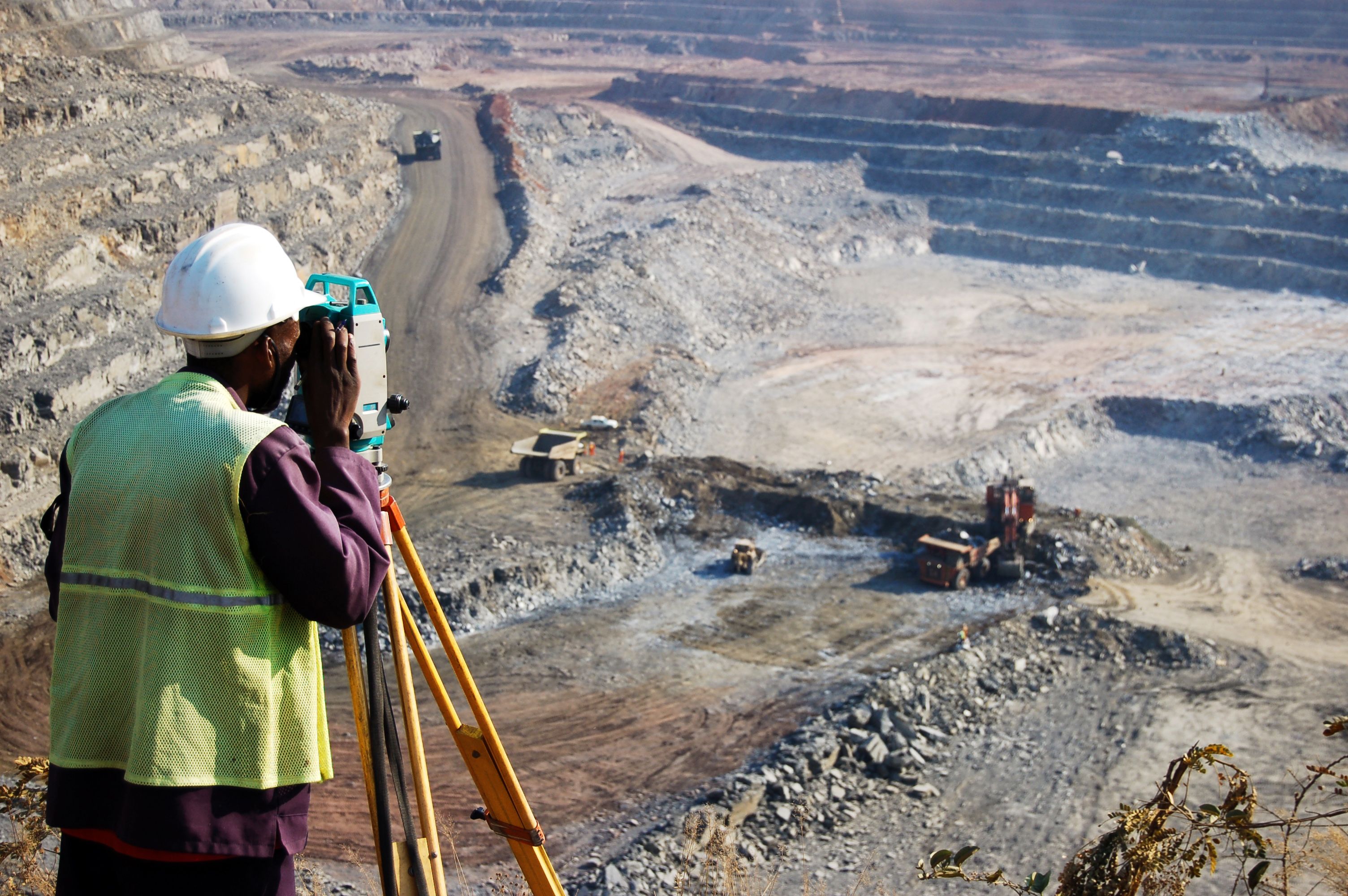
Copper and cobalt are the backbone of Zambia's mineral exports. With global demand for these minerals on the rise, especially for use in electronics and renewable energy technologies, Zambia is well-positioned to benefit. The growing interest in electric vehicles is further driving the demand for cobalt, providing a lucrative opportunity for the country.
Diversification Potential
Beyond copper and cobalt, Zambia has untapped potential in other minerals such as gold, manganese, and gemstones. Diversifying the mineral portfolio could minimize economic risks and boost overall revenue. Strategic investments and partnerships in these areas can lead to significant growth in the mining sector.

Challenges Facing the Mineral Export Sector
Infrastructure and Logistics
One of the major challenges is inadequate infrastructure, which affects the efficiency of mineral transportation. Poor road networks and limited railway capacity can hinder export activities. Improving infrastructure is essential to facilitate the smooth movement of minerals to international markets.
Regulatory and Policy Issues
Zambia's mining sector is subject to various regulatory and policy challenges. Frequent changes in mining laws and taxation can create an uncertain environment for investors. Establishing a stable and transparent regulatory framework is crucial for attracting foreign investment and fostering long-term growth.
Environmental and Social Considerations
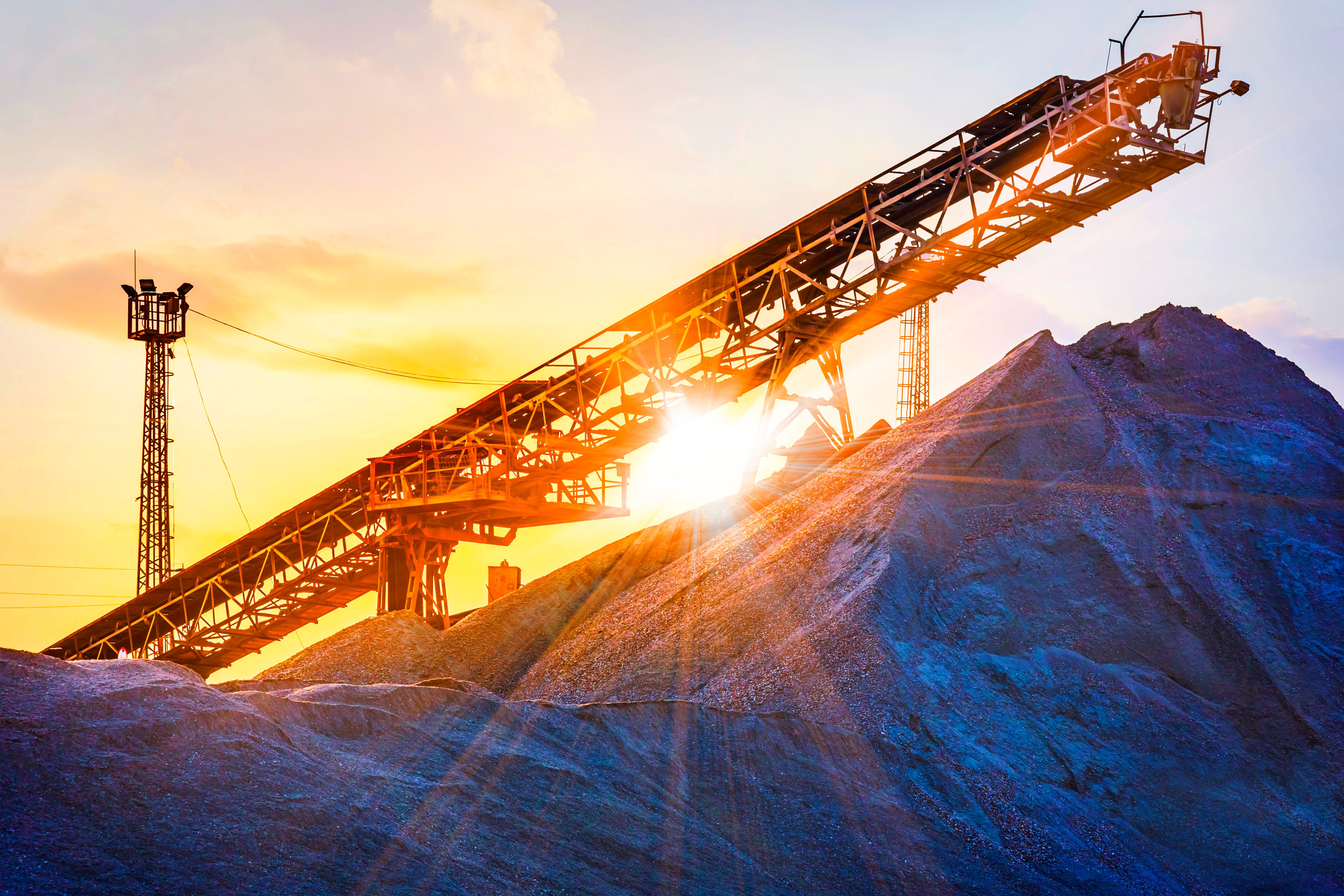
Mining activities in Zambia have environmental and social impacts that need to be addressed. Ensuring sustainable mining practices and minimizing environmental degradation are essential for the sector's future. Engaging local communities and addressing their concerns is also vital for maintaining social harmony and corporate responsibility.
Conclusion
Zambia's mineral export sector is at a crossroads, with immense opportunities coupled with significant challenges. By addressing infrastructure, regulatory, and environmental issues, Zambia can maximize the benefits of its rich mineral resources. Strategic planning and collaboration with international partners could lead to a thriving and sustainable mining industry, ensuring economic prosperity for the nation.